
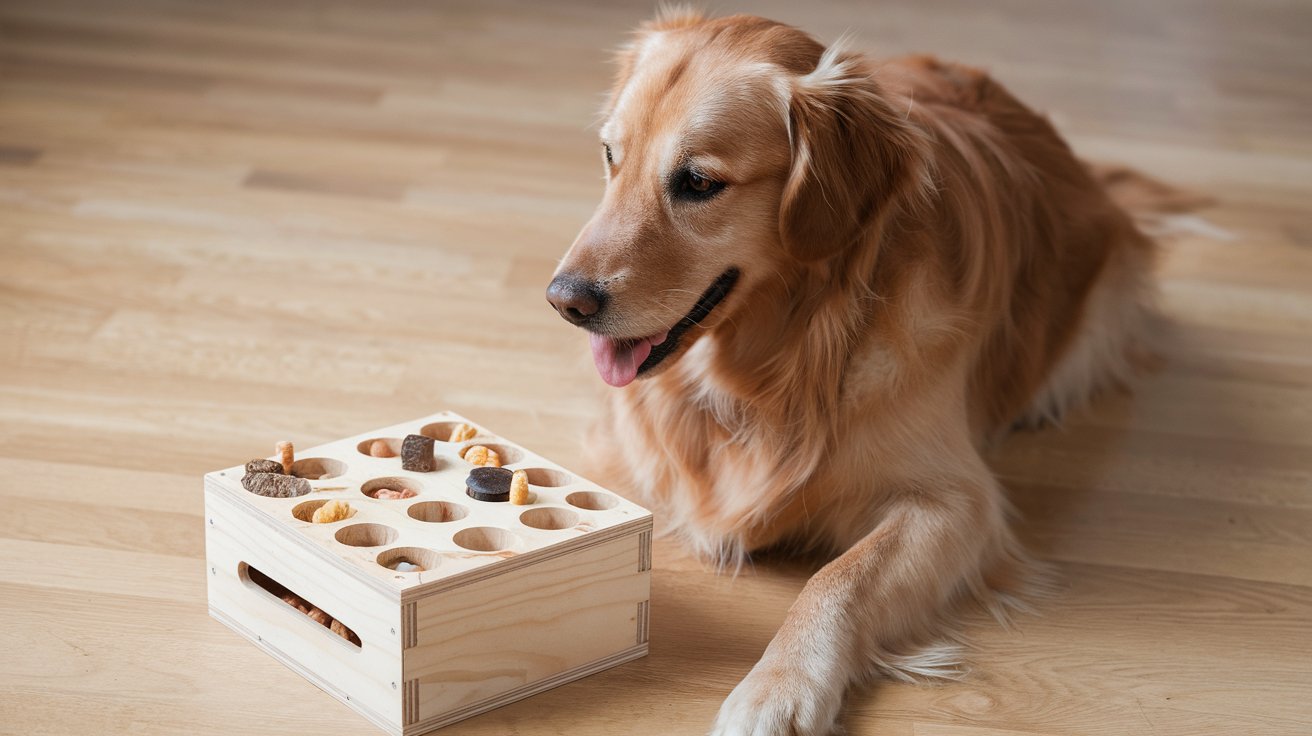
Creating DIY dog mental stimulation activities at home is one of the most effective ways to keep your canine companion happy, healthy, and mentally sharp. These homemade enrichment solutions use common household items to challenge your dog’s mind, reduce destructive behaviors, and strengthen your bond. With over 90 million pet dogs in the United States as of 2024, mental stimulation has become crucial for preventing anxiety and boredom-related issues that affect 40% of American dogs.
Essential DIY Mental Stimulation Fundamentals
Understanding the science behind dog mental stimulation helps create more effective homemade activities. Dogs require 15-30 minutes of mental exercise daily, equivalent to 60-90 minutes of physical exercise according to veterinary behaviorists. DIY dog puzzles engage your pet’s natural foraging instincts, problem-solving abilities, and sensory exploration. Research from the American Kennel Club shows that mentally stimulated dogs exhibit 65% fewer behavioral problems and demonstrate improved cognitive function well into their senior years.
The key to successful homemade dog enrichment lies in rotating activities every 3-4 days to maintain novelty and challenge. Start with simple puzzles and gradually increase difficulty as your dog masters each level. Safety remains paramount when creating DIY dog toys – always supervise initial use and inspect materials for potential hazards like small parts or toxic substances.
Kitchen-Based DIY Mental Stimulation Activities
Your kitchen contains numerous items perfect for creating easy DIY dog puzzles that challenge your pet’s cognitive abilities. These activities tap into natural foraging behaviors while providing mental exercise that reduces stress and anxiety.
Muffin Tin Treasure Hunt
Transform a standard muffin tin into an engaging DIY dog mental stimulation puzzle by placing treats in each cup and covering them with tennis balls or toys. This activity forces dogs to problem-solve by removing obstacles to access rewards, engaging both their minds and motor skills. For advanced dogs, use different sized objects or multiple layers to increase difficulty. Studies show this type of puzzle can keep dogs occupied for 15-25 minutes, making it ideal for dog enrichment ideas while at work.
Frozen Food Puzzles
Create challenging dog mental stimulation toys by freezing treats inside ice cube trays, Kong toys, or silicone molds with water, low-sodium broth, or plain yogurt. These frozen puzzles provide extended mental engagement as dogs must lick, chew, and manipulate the ice to access treats. Veterinary nutritionists recommend using ingredients like carrots, blueberries, or small training treats to ensure nutritional value while maintaining mental challenge.
Household Item Mental Stimulation Games
Common household materials can be transformed into effective homemade dog enrichment toys that provide hours of mental stimulation. These cost-effective solutions utilize items most Americans already have at home, making mental enrichment accessible to all dog owners.
Cardboard Box Puzzles
Empty cardboard boxes become excellent DIY dog puzzles for large dogs when filled with crumpled paper, smaller boxes, or treat-filled containers. Cut holes in various sizes to create different difficulty levels, allowing dogs to nose, paw, and manipulate the puzzle. This activity satisfies natural denning and foraging instincts while providing safe destruction opportunities. Amazon delivery boxes work particularly well due to their sturdy construction and various sizes available.
Toilet Paper Roll Treat Dispensers
Create simple yet effective DIY dog mental stimulation toys by placing treats inside toilet paper rolls and folding the ends closed. For increased difficulty, nest multiple rolls together or cut holes for treat visibility. This puzzle encourages problem-solving while satisfying the natural urge to tear and shred. Always remove and dispose of small cardboard pieces to prevent ingestion, especially important for DIY dog toys for power chewers.
Sniffing and Foraging DIY Activities
Engaging your dog’s powerful sense of smell through DIY dog mental stimulation activities provides intense mental workout. Dogs possess 300 million olfactory receptors compared to humans’ 6 million, making scent-based games particularly enriching and exhausting.
Homemade Snuffle Mat
Construct a dog enrichment toy homemade snuffle mat using a rubber sink mat and fleece strips tied through the holes. This DIY version costs under $15 compared to $30-50 for commercial options while providing identical mental stimulation benefits. Hide treats throughout the fleece strips to encourage natural foraging behaviors. The American Veterinary Society of Animal Behavior recommends snuffle mats for reducing anxiety and providing mental exercise, particularly beneficial for high-energy breeds.
Treat Scatter Games
Transform your backyard or living room into a foraging paradise by scattering small treats across different surfaces and hiding spots. This easy DIY dog puzzle requires no materials but provides exceptional mental stimulation as dogs use their nose to locate rewards. Start with obvious placements and gradually increase difficulty by using elevated surfaces, under furniture, or inside safe containers. This activity works particularly well as one of many dog enrichment ideas DIY for apartment dwellers with limited space.
Advanced DIY Puzzle Creation Techniques
Elevate your homemade dog enrichment by incorporating multiple sensory elements and progressive difficulty levels. Advanced puzzles combine visual, tactile, and olfactory challenges to provide comprehensive mental stimulation that can occupy dogs for extended periods.
Multi-Level Bottle Puzzles
Create sophisticated DIY dog mental stimulation toys by cutting holes in plastic bottles of varying sizes and nesting them together with treats between layers. Remove all caps and labels for safety, then create holes just large enough for treats to fall through when manipulated. This puzzle teaches cause-and-effect relationships while providing physical manipulation challenges. For power chewers, use thicker containers or supervise closely to prevent plastic ingestion.
Rope and Fabric Interactive Toys
Construct durable dog mental stimulation toys by braiding treats into rope toys or tying them inside fabric scraps. These puzzles require dogs to use teeth and paws strategically to access rewards, providing both mental challenge and appropriate chewing outlets. Use natural cotton rope or old t-shirts for safe, digestible materials. The puzzle difficulty increases based on knot complexity and treat placement depth.
Understanding the Five Pillars of Dog Enrichment
Professional animal behaviorists recognize five essential dog enrichment categories that should be incorporated into any comprehensive mental stimulation program. These pillars ensure well-rounded cognitive development and emotional satisfaction for dogs of all ages and breeds.
The five pillars include social enrichment (interaction with humans and other dogs), cognitive enrichment (problem-solving activities), physical enrichment (exercise and movement), sensory enrichment (engaging sight, smell, hearing, touch, and taste), and feeding enrichment (making meals mentally challenging). DIY dog mental stimulation activities can address multiple pillars simultaneously, maximizing their effectiveness and your dog’s engagement.
Safety Guidelines for DIY Dog Mental Stimulation
Creating safe homemade dog enrichment toys requires careful material selection and ongoing supervision. The ASPCA reports that 15% of emergency veterinary visits involve ingestion of foreign objects, making safety protocols crucial when designing DIY dog puzzles.
Always avoid materials containing toxic substances like chocolate, xylitol, grapes, or onions. Inspect all DIY dog toys before each use for wear, sharp edges, or small parts that could be swallowed. Size puzzles appropriately for your dog – items should be either too large to swallow entirely or completely consumable. Replace damaged puzzles immediately and rotate activities to prevent obsessive behavior or resource guarding.
Mental Stimulation for Different Life Stages
Adapting DIY dog mental stimulation activities to your pet’s age, size, and cognitive abilities ensures optimal benefit and safety. Puppies, adult dogs, and seniors have distinct needs that should influence puzzle design and difficulty levels.
Puppies under six months benefit from simple easy DIY dog puzzles that build confidence and basic problem-solving skills. Adult dogs aged 1-7 years can handle complex, multi-step challenges that require sustained attention and physical manipulation. Senior dogs over seven years need gentler activities that accommodate potential arthritis or cognitive changes while still providing mental engagement. Dog enrichment ideas while at work should consider your dog’s energy level throughout the day and provide appropriate challenge levels.
Related video about diy dog mental stimulation
This video complements the article information with a practical visual demonstration.
Most asked questions about diy dog mental stimulation
How do you mentally stimulate a dog DIY?
Create DIY mental stimulation using household items like muffin tins with treats covered by tennis balls, frozen food puzzles in ice cube trays, cardboard boxes filled with crumpled paper and treats, toilet paper roll dispensers, and homemade snuffle mats. Rotate activities every 3-4 days and provide 15-30 minutes of mental exercise daily for optimal results.
Are there DIY mentally stimulating dog toys?
Yes, numerous DIY mentally stimulating toys can be made at home including bottle puzzles with holes cut for treats, rope toys with treats braided inside, cardboard box mazes, frozen Kong alternatives using silicone molds, and treat-hiding games using everyday containers. These homemade options cost 60-80% less than commercial alternatives while providing identical benefits.
What are the 5 pillars of enrichment for dogs?
The five pillars of dog enrichment are: social enrichment (human and dog interaction), cognitive enrichment (problem-solving activities), physical enrichment (exercise and movement), sensory enrichment (engaging all five senses), and feeding enrichment (making meals mentally challenging). DIY mental stimulation activities can address multiple pillars simultaneously for comprehensive enrichment.
What is the 123 method for dogs?
The 123 method involves three steps: 1) Present the mental stimulation challenge, 2) Allow the dog to problem-solve independently for 2-3 minutes without help, and 3) Provide minimal guidance only if needed, then let the dog complete the task. This method builds confidence, reduces frustration, and develops independent problem-solving skills essential for effective mental stimulation.
How often should I provide DIY mental stimulation activities?
Provide DIY mental stimulation activities daily for 15-30 minutes, rotating different puzzles every 3-4 days to maintain novelty and interest. High-energy breeds may require additional sessions, while senior dogs might need shorter, less intense activities. Consistency is more important than duration – regular mental exercise prevents boredom and reduces destructive behaviors.
What household items are safe for DIY dog puzzles?
Safe household items include cardboard boxes, toilet paper rolls, plastic bottles with caps removed, muffin tins, ice cube trays, towels, cotton rope, and rubber mats. Avoid items with small parts, toxic materials, sharp edges, or anything your dog could completely swallow. Always supervise initial use and inspect toys regularly for damage or wear.
| DIY Activity Type | Materials Needed | Mental Stimulation Benefit |
|---|---|---|
| Muffin Tin Puzzle | Muffin tin, tennis balls, treats | Problem-solving and motor skills development |
| Frozen Food Puzzles | Ice cube trays, treats, water/broth | Extended engagement and patience building |
| Cardboard Box Games | Empty boxes, paper, treats | Natural foraging and destruction satisfaction |
| Homemade Snuffle Mat | Rubber mat, fleece strips | Scent work and anxiety reduction |
| Bottle Puzzles | Plastic bottles, treats | Cause-and-effect learning and manipulation skills |