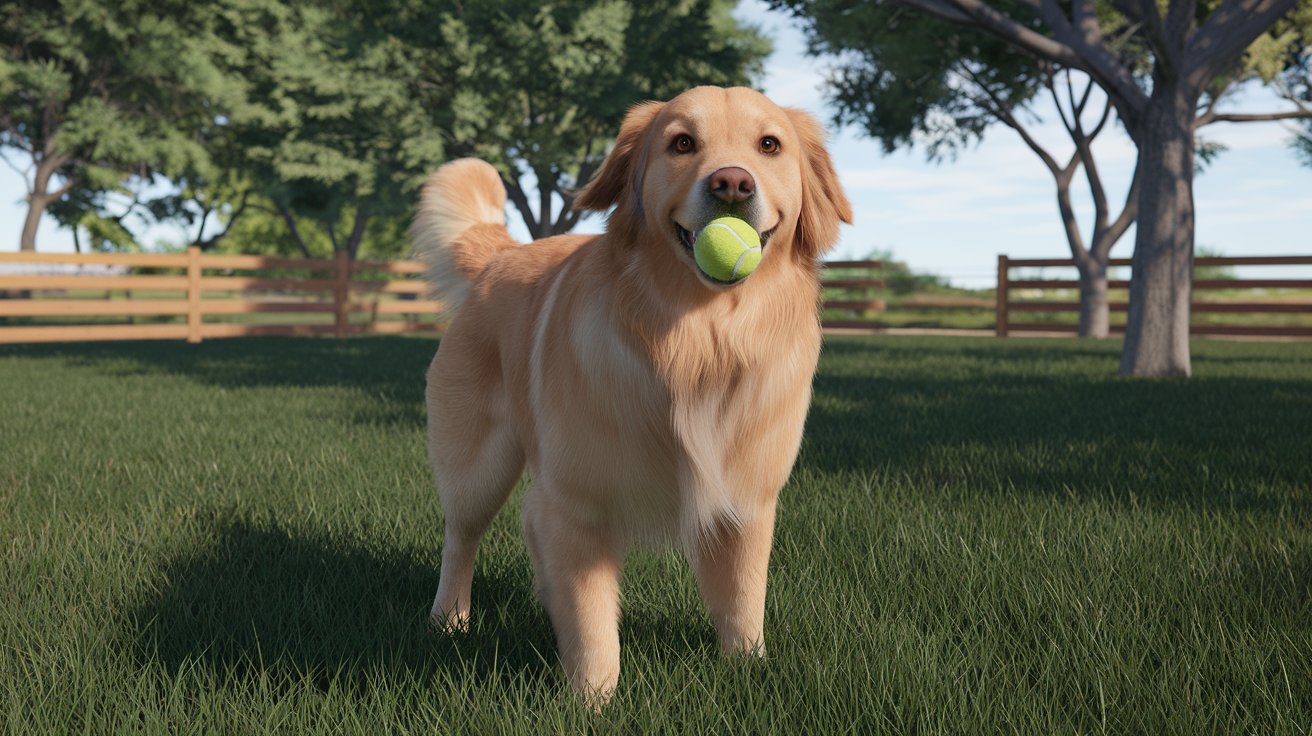
Keeping your dog entertained is essential for their mental health and overall well-being. A bored dog can develop destructive behaviors, excessive barking, and anxiety issues. This comprehensive guide provides proven methods to keep your dog mentally stimulated and physically active throughout the day, preventing behavioral problems and strengthening your bond.
Understanding Your Dog’s Entertainment Needs
Every dog requires different levels of mental and physical stimulation based on their breed, age, and energy level. High-energy breeds like Border Collies and Australian Shepherds need 2-3 hours of daily activity, while smaller breeds may require 30-60 minutes. According to the American Kennel Club’s 2024 guidelines, mental stimulation is equally important as physical exercise for preventing destructive behaviors.
The key to successful dog entertainment lies in providing variety and consistency. Dogs thrive on routine but can become bored with repetitive activities. Rotating between different types of stimulation keeps your pet engaged and prevents the development of problematic behaviors that stem from boredom and frustration.
Mental Stimulation Techniques
Mental stimulation activities are crucial for keeping dogs entertained, especially during indoor time. These activities challenge your dog’s cognitive abilities and provide mental exhaustion that can be more tiring than physical exercise. Research from the Association of Professional Dog Trainers shows that 15 minutes of mental stimulation can equal 30 minutes of physical activity in terms of tiring your dog.
Interactive Puzzle Toys and Food Dispensers
Puzzle toys and food-dispensing toys are excellent tools for keeping dogs mentally engaged. Kong Classic toys stuffed with treats or frozen food can occupy dogs for 20-30 minutes. Nina Ottosson puzzle toys, rated as top choices in 2024 pet industry reviews, provide varying difficulty levels. These toys stimulate problem-solving skills while rewarding your dog’s persistence and focus.
Scent Work and Nose Games
Dogs have an incredible sense of smell, and scent-based games tap into their natural hunting instincts. Hide treats around the house or use snuffle mats to create foraging opportunities. Professional dog trainers recommend starting with easy hiding spots and gradually increasing difficulty. Scent work activities can keep dogs entertained for extended periods while providing mental challenges that satisfy their natural behaviors.
Training-Based Entertainment
Training sessions serve dual purposes as entertainment and education for your dog. Short, frequent training sessions of 5-10 minutes throughout the day keep dogs mentally stimulated while reinforcing good behaviors. The positive reinforcement approach recommended by certified dog trainers in 2024 makes training an enjoyable activity rather than a chore.
Teaching New Tricks and Commands
Learning new tricks and commands provides excellent mental stimulation for dogs of all ages. Start with simple tricks like ‘shake,’ ‘roll over,’ or ‘play dead’ before advancing to more complex behaviors. According to canine behaviorists, dogs can learn throughout their lives, and regular trick training sessions help maintain cognitive function in senior dogs while keeping younger dogs mentally sharp.
Obedience Training Refreshers
Regular obedience training refreshers reinforce basic commands while providing mental stimulation. Practice sit, stay, come, and heel commands in different locations and situations. This type of training helps prevent behavioral regression and keeps your dog’s mind active. Professional trainers suggest incorporating obedience practice into daily routines for maximum effectiveness.
Interactive Play Activities
Interactive play activities strengthen the human-dog bond while providing entertainment and exercise. These activities require participation from both dog and owner, creating engaging experiences that prevent boredom and promote social connection. The American Veterinary Medical Association emphasizes the importance of interactive play in maintaining dogs’ emotional well-being.
Tug of War and Rope Games
Tug of war games provide physical exercise and mental stimulation when played with proper rules. Use designated tug toys and teach your dog to ‘drop it’ on command. This game helps burn excess energy while teaching impulse control. Modern dog trainers recommend tug games as healthy outlets for dogs’ natural pulling instincts, contrary to outdated dominance theories.
Hide and Seek Games
Hide and seek games combine mental stimulation with physical activity. Start by having your dog stay in one room while you hide, then call them to find you. This game reinforces recall commands while providing exciting entertainment. You can also hide treats or toys instead of yourself, creating treasure hunt experiences that engage your dog’s natural foraging instincts.
Indoor Entertainment Solutions
When weather or circumstances prevent outdoor activities, indoor entertainment becomes essential for preventing destructive behaviors. Indoor solutions must be safe, engaging, and appropriate for your living space. Pet industry data from 2024 shows that 65% of dog behavioral problems stem from insufficient mental stimulation during indoor time.
Creating Indoor Obstacle Courses
Indoor obstacle courses using household items provide physical and mental challenges. Use pillows, chairs, and blankets to create tunnels, jumps, and weaving courses. Change the layout regularly to maintain interest and provide new challenges. These courses help burn energy and improve your dog’s agility and coordination skills.
Toy Rotation Systems
Implementing a toy rotation system prevents boredom with familiar items. Keep 3-4 toys available while storing others, rotating weekly to maintain novelty. This strategy makes old toys feel new again and extends the entertainment value of your dog’s toy collection. Behavioral studies show that dogs show renewed interest in rotated toys as if encountering them for the first time.
Understanding Dog Entertainment Rules
Several important rules and guidelines help optimize your dog’s entertainment routine. The 7-7-7 rule suggests dogs need 7 hours of sleep, 7 hours of activity, and 7 hours of rest/relaxation daily. The 3-3-3 rule applies to newly adopted dogs, representing 3 days to decompress, 3 weeks to learn routines, and 3 months to fully settle into their new home.
Understanding these behavioral guidelines helps create appropriate entertainment schedules that match your dog’s natural rhythms and needs. Overstimulation can be as problematic as understimulation, making balanced approaches essential for maintaining your dog’s mental health and preventing behavioral issues.
Preventing and Addressing Dog Boredom
Preventing dog boredom requires proactive strategies rather than reactive solutions. Signs of boredom include excessive barking, destructive chewing, digging, and attention-seeking behaviors. According to veterinary behaviorists, consistent daily routines with varied activities are most effective for preventing boredom-related problems.
When dogs are already showing signs of boredom, immediate intervention prevents escalation into more serious behavioral issues. Increase mental stimulation gradually and ensure your dog receives adequate physical exercise. Professional trainers recommend addressing boredom holistically through environmental enrichment, social interaction, and structured activities rather than simply increasing exercise duration.
Related video about how to keep a dog entertained
This video complements the article information with a practical visual demonstration.
Frequently Asked Questions
What is the 7-7-7 rule for dogs?
The 7-7-7 rule suggests dogs need 7 hours of sleep, 7 hours of activity (including mental stimulation and exercise), and 7 hours of rest or relaxation daily. This guideline helps create balanced daily routines that meet dogs’ physical and mental needs while preventing overstimulation and exhaustion.
How do I keep my dog entertained all day?
Keep your dog entertained all day by rotating activities every 2-3 hours, including mental stimulation, physical exercise, training sessions, and rest periods. Use puzzle toys during alone time, provide window watching opportunities, rotate toys weekly, and incorporate short training sessions throughout the day.
What is the 3-3-3 rule for dogs?
The 3-3-3 rule applies to newly adopted dogs and represents the adjustment timeline: 3 days to decompress and feel safe, 3 weeks to learn your routine and start bonding, and 3 months to fully settle into their new home and show their true personality.
How do I stop my dog from getting bored?
Prevent dog boredom by providing consistent daily mental stimulation through puzzle toys, training sessions, and interactive games. Establish regular exercise routines, rotate toys weekly, create environmental enrichment opportunities, and ensure adequate social interaction to maintain your dog’s interest and engagement.
How long should I entertain my dog each day?
Most dogs need 1-3 hours of combined physical exercise and mental stimulation daily, depending on breed, age, and energy level. High-energy breeds require more activity, while senior dogs may need shorter but more frequent entertainment sessions. Break activities into multiple sessions throughout the day for optimal results.
What are the best indoor entertainment options for dogs?
The best indoor entertainment options include puzzle toys, scent work games, indoor obstacle courses, training sessions, and interactive play. Food-dispensing toys, hide and seek games, and toy rotation systems provide excellent mental stimulation when outdoor activities aren’t possible.
| Entertainment Type | Duration | Primary Benefit |
|---|---|---|
| Mental Stimulation | 15-30 minutes | Cognitive development and problem-solving |
| Physical Exercise | 30-90 minutes | Physical fitness and energy release |
| Training Sessions | 5-15 minutes | Behavioral reinforcement and bonding |
| Interactive Play | 10-20 minutes | Social bonding and engagement |