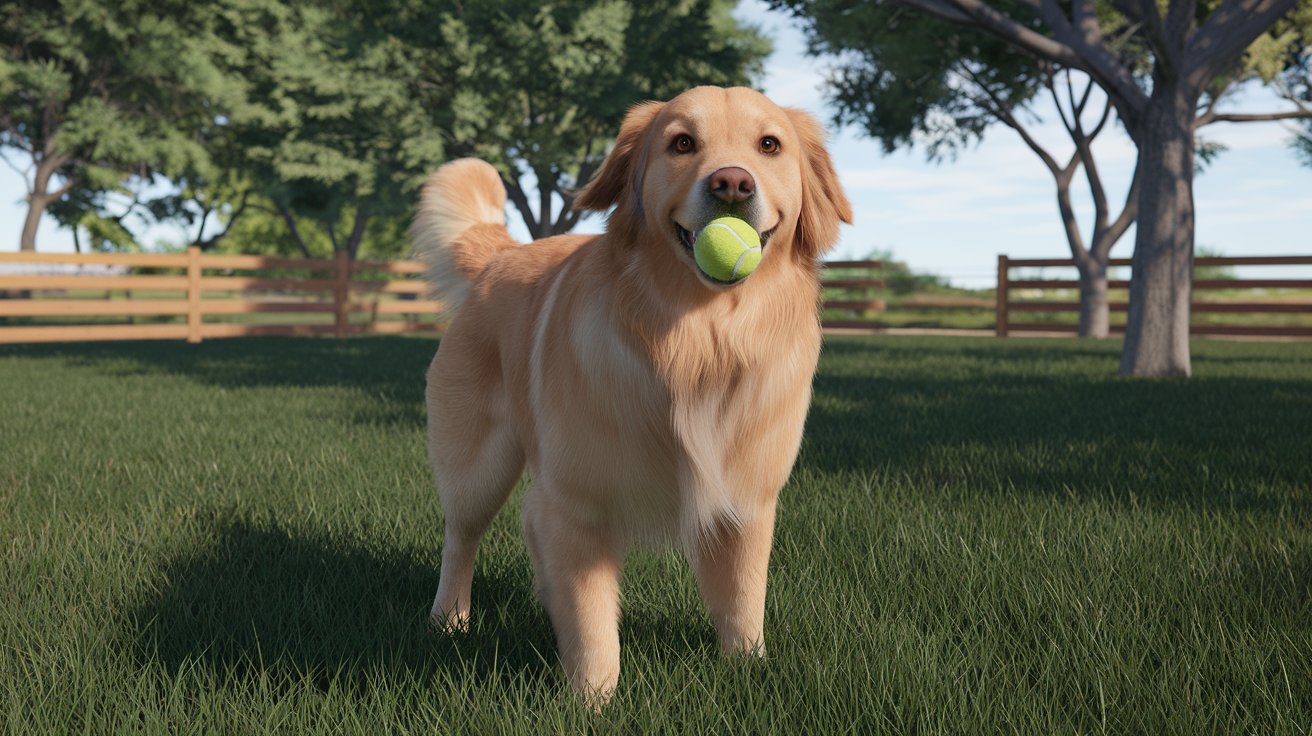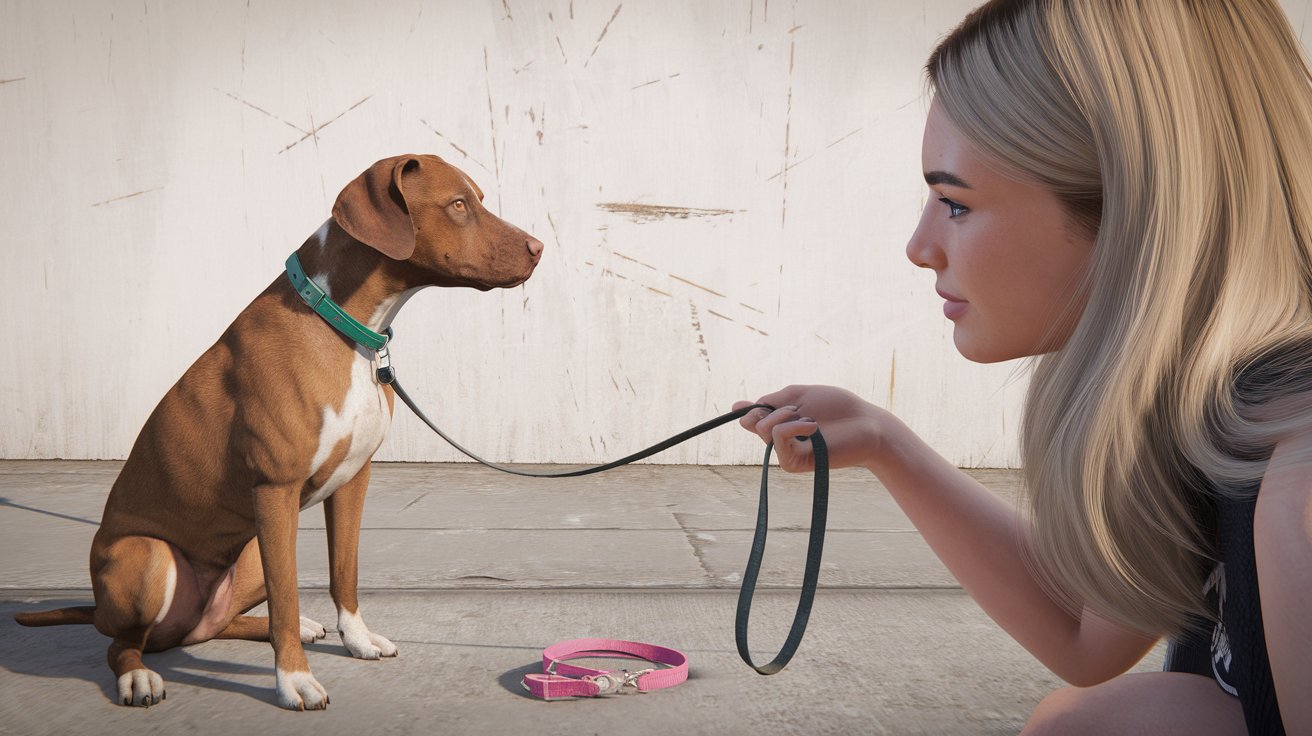
Keeping your dog entertained while home alone is essential for their mental health and your peace of mind. Dogs left without proper stimulation can develop destructive behaviors, separation anxiety, and depression. This comprehensive guide reveals 15 expert-backed strategies to ensure your furry friend stays happy, engaged, and calm during your absence.
Mental Stimulation Activities for Dogs Home Alone
Mental enrichment is crucial when leaving your dog home alone for extended periods. According to the American Kennel Club, dogs need 30-120 minutes of mental stimulation daily depending on their breed and energy level. Interactive activities challenge your dog’s cognitive abilities and tire them out more effectively than physical exercise alone.
Professional dog behaviorists recommend rotating mental stimulation activities to prevent boredom when dogs are home alone. Research from the Association of Pet Behaviour Counsellors shows that mentally stimulated dogs are 40% less likely to develop destructive behaviors during owner absence.
Puzzle Toys and Treat Dispensers
Puzzle toys are the gold standard for keeping dogs entertained while at work. Kong Classic toys filled with frozen peanut butter or wet food can occupy dogs for 30-45 minutes. Nina Ottosson puzzle feeders, ranging from beginner to expert levels, challenge different cognitive abilities and can extend feeding time from 5 minutes to 30 minutes.
Hidden Food Games and Scavenger Hunts
Create scavenger hunts by hiding small treats throughout your home before leaving. This taps into your dog’s natural foraging instincts and provides mental stimulation for dogs home alone. Start with 5-8 hiding spots and gradually increase difficulty. Professional trainers recommend using 10% of your dog’s daily food allowance for these activities.
Physical Entertainment Solutions
Physical activities help burn excess energy and reduce anxiety in dogs left home alone. The key is providing safe, engaging physical outlets that don’t require human supervision. Interactive toys and environmental enrichment can provide hours of physical stimulation.
Veterinary behaviorists note that physically tired dogs are more likely to rest peacefully during owner absence, reducing the likelihood of destructive behaviors or separation anxiety in dogs.
Rotating Toy Systems
Implement a toy rotation system to maintain novelty and interest. Keep 3-4 toys available daily while storing others away. Weekly rotation prevents dogs from getting bored with their entertainment options. Studies show dogs maintain interest in rotated toys 60% longer than static toy collections.
Window Perches and Viewing Opportunities
Install window perches or provide elevated viewing spots for natural entertainment. Dogs enjoy watching outdoor activities, which provides mental stimulation during home alone time. Ensure windows are secure and consider privacy film if your dog becomes overly reactive to passersby.
Technology Solutions for Dog Entertainment
Modern technology offers innovative solutions for entertaining dogs while owners work. Smart devices and specialized media can provide interactive experiences that respond to your dog’s behavior, creating dynamic entertainment throughout the day.
Pet technology has advanced significantly in 2024-2025, with new interactive devices reporting 85% effectiveness in reducing separation anxiety symptoms according to recent veterinary studies.
Dog TV and Audio Entertainment
DogTV, specifically designed for canine viewers, features programming that appeals to dogs’ visual and auditory preferences. Classical music or dog-specific playlists can provide calming background noise for anxious dogs home alone. Research indicates that reggae and soft rock are most effective at reducing canine stress levels.
Interactive Cameras and Treat Dispensers
Wi-Fi enabled pet cameras allow remote interaction and treat dispensing. Popular models like Furbo or Petcube enable owners to monitor, speak to, and reward their dogs throughout the day. These devices help maintain connection and provide entertainment for dogs left alone for 8+ hours.
Understanding Dog Behavior Rules and Guidelines
Several behavioral guidelines help dog owners understand appropriate home alone durations and expectations. The 3-3-3 rule, 7-7-7 rule, and 10-10-10 rule provide frameworks for managing dog adjustment periods and alone time limits.
These rules, developed by animal behaviorists, help owners set realistic expectations and prevent separation anxiety while ensuring dogs remain comfortable during necessary alone periods.
The 3-3-3 Rule for Dog Adjustment
The 3-3-3 rule for dogs describes the adjustment timeline: 3 days to decompress, 3 weeks to learn routines, and 3 months to fully settle. This rule is particularly relevant for newly adopted dogs learning to be comfortable home alone. Understanding this timeline helps owners gradually increase alone time duration.
Maximum Alone Time Guidelines
Adult dogs can typically be left alone for 6-8 hours maximum, while puppies under 6 months should not exceed 2-3 hours. Senior dogs may need more frequent breaks due to medical needs. The 7-7-7 rule suggests monitoring stress signs at 7 minutes, 7 hours, and 7 days of new routines.
Environmental Enrichment Strategies
Creating an enriched environment addresses multiple senses and provides varied entertainment options for dogs home alone. Environmental modifications can transform boring spaces into engaging territories that keep dogs occupied naturally.
Professional dog trainers emphasize that environmental enrichment should rotate regularly to maintain effectiveness and prevent habituation to stimuli.
Sensory Enrichment Options
Provide varied textures, scents, and sounds throughout your home. Snuffle mats, different flooring textures, and safe scented items create sensory entertainment for bored dogs. Frozen treats in different containers provide tactile and taste variety during alone time.
Safe Exploration Zones
Designate specific areas where dogs can safely explore and investigate. Baby gates can create boundaries while allowing access to entertaining spaces. Ensure all exploration zones are dog-proofed for safe home alone time, removing potential hazards while maximizing engagement opportunities.
Social Solutions and Professional Services
When leaving dogs home alone for work regularly, social solutions can provide necessary interaction and break up long alone periods. Professional services and community arrangements offer reliable support systems for working dog owners.
The pet services industry has grown 20% in 2024, reflecting increased awareness of dogs’ social needs during owner work hours.
Dog Walking and Pet Sitting Services
Professional dog walkers can provide midday breaks for dogs left alone 8 hours or longer. Rover, Wag, and local services offer reliable options with background-checked providers. Midday walks reduce anxiety and provide essential bathroom breaks for dogs with longer alone periods.
Neighbor Networks and Pet Sharing
Establish reciprocal arrangements with trusted neighbors for pet check-ins and companionship. Dog playdates and shared supervision can significantly reduce loneliness in dogs home alone. Community pet networks provide cost-effective solutions for regular social interaction.
Managing Separation Anxiety and Behavioral Issues
Approximately 15% of dogs experience severe separation anxiety when home alone, requiring specialized management strategies. Early intervention and proper techniques can prevent anxiety from escalating into destructive or dangerous behaviors.
Veterinary behaviorists report that properly managed separation anxiety shows improvement within 4-6 weeks of consistent training and environmental modifications.
Related video about how to entertain a dog home alone
This video complements the article information with a practical visual demonstration.
Essential Q&A about how to entertain a dog home alone
What is the 3-3-3 rule for dogs?
The 3-3-3 rule describes dog adjustment periods: 3 days to decompress from stress, 3 weeks to learn new routines and environment, and 3 months to feel completely settled and comfortable. This timeline is especially important for newly adopted dogs learning to be home alone safely.
Are dogs bored when they are home alone?
Yes, dogs can become bored when home alone without proper mental and physical stimulation. Bored dogs may develop destructive behaviors, excessive barking, or depression. Providing interactive toys, puzzle feeders, and environmental enrichment prevents boredom effectively.
How long can you safely leave a dog home alone?
Adult dogs can safely be left alone for 6-8 hours maximum, while puppies under 6 months should not exceed 2-3 hours. Senior dogs may need more frequent breaks. Always ensure dogs have access to water, comfortable space, and appropriate entertainment during alone time.
What is the 7-7-7 rule for dogs?
The 7-7-7 rule suggests monitoring your dog’s stress and adjustment at key intervals: observe behavior changes at 7 minutes into new routines, assess adaptation after 7 hours of alone time, and evaluate overall adjustment after 7 days of consistent practice.
Can you leave a dog home alone for 24 hours?
No, leaving a dog alone for 24 hours is not safe or humane. Dogs need regular bathroom breaks, food, water, and social interaction. Maximum recommended alone time is 8 hours for healthy adult dogs, with arrangements needed for longer absences.
| Entertainment Category | Duration of Engagement | Primary Benefit |
|---|---|---|
| Puzzle Toys | 30-45 minutes | Mental stimulation and problem-solving |
| Frozen Treats | 20-30 minutes | Extended eating time and cooling relief |
| Interactive Cameras | Throughout day | Remote interaction and monitoring |
| Window Perches | 1-3 hours | Natural environmental stimulation |
| Scavenger Hunts | 15-25 minutes | Natural foraging behavior activation |