
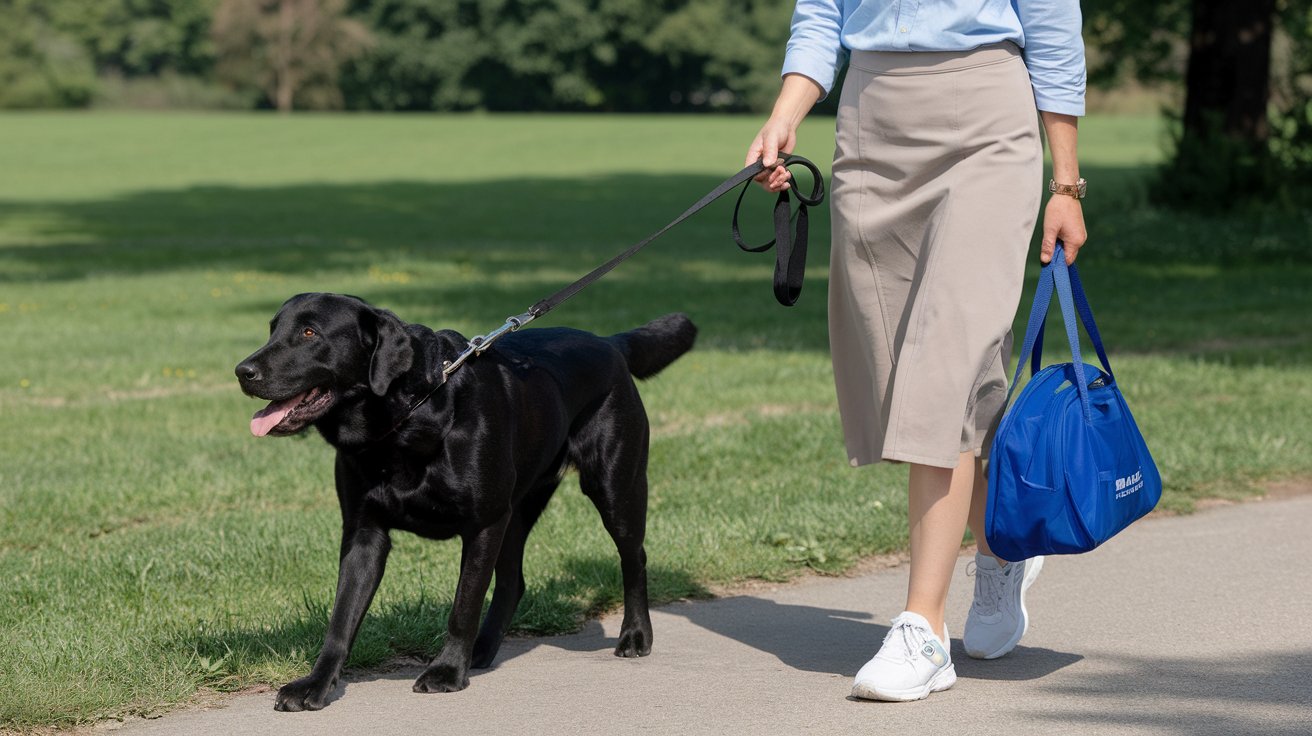
Learning how to stop your dog from pulling on the leash is essential for enjoyable walks and your dog’s safety. Leash pulling affects 85% of dog owners in the United States, but with the right training methods and tools, you can teach your dog to walk calmly beside you. This comprehensive guide covers proven techniques that work for dogs of all sizes and temperaments.
Why Does My Dog Pull On The Leash?
Understanding why dogs pull is crucial for effective training. Dogs naturally walk faster than humans, with an average pace of 4-6 mph compared to our 3 mph. When excited or curious, dogs instinctively move toward interesting scents, sounds, or sights, creating tension on the leash. Additionally, many dogs learn that pulling gets them where they want to go, inadvertently reinforcing this behavior through our responses.
Breed characteristics also play a significant role in leash behavior. Working breeds like German Shepherds and Siberian Huskies were bred to pull, making loose leash walking more challenging. High-energy breeds require more mental and physical stimulation before walks to reduce pulling tendencies. Understanding your dog’s natural instincts helps you choose the most effective training approach for lasting results.
Essential Tools That Help Stop Leash Pulling
Choosing the right equipment significantly impacts your success in stopping leash pulling. Front-clip harnesses are considered the gold standard by veterinary behaviorists, as they redirect pulling force to the side rather than allowing forward momentum. Studies show that front-clip harnesses reduce pulling by up to 75% compared to traditional collars.
Head halters offer excellent control for large dogs but require gradual introduction to prevent stress. No-pull harnesses with both front and back attachment points provide versatility for different training phases. Avoid retractable leashes during training, as they teach dogs that tension on the leash is normal and acceptable.
Best Harness Types for Different Dog Sizes
For small dogs under 25 pounds, lightweight front-clip harnesses with padded straps prevent injury while providing gentle guidance. Medium dogs (25-60 pounds) benefit from dual-clip harnesses that allow you to adjust control levels as training progresses. Large and giant breeds require heavy-duty harnesses with wide chest plates to distribute pressure evenly across the body.
Professional-Grade Leash Recommendations
A 6-foot leather or nylon leash provides optimal control and communication with your dog. Avoid chains or retractable leashes, which can cause injury and confuse training signals. Some trainers recommend using a hands-free leash attached to your waist for consistent positioning, though this requires advanced training to ensure safety.
The Foundation Training Method That Works
The most effective approach combines positive reinforcement with clear boundaries. Start training indoors where distractions are minimal, using high-value treats to reward your dog for walking beside you. The key is timing – reward immediately when your dog is in the correct position, not after they’ve already started pulling.
Practice the ‘stop and go’ technique: every time your dog pulls, immediately stop walking and wait for them to release tension on the leash. Only resume walking when the leash is loose. This teaches dogs that pulling stops progress, while loose leash walking continues the fun. Consistency from every family member is crucial for success.
Step-by-Step Indoor Training Process
Begin by teaching your dog to focus on you indoors. Hold treats at your side and encourage your dog to walk with you for 3-5 steps, immediately rewarding success. Gradually increase the distance and add gentle leash pressure to simulate outdoor conditions. Practice direction changes and stops to build responsiveness before transitioning outside.
Transitioning Training to Outdoor Environments
Start outdoor training in low-distraction areas like empty parking lots or quiet residential streets. Gradually increase difficulty by practicing near parks, other dogs, and busy sidewalks. Bring extra high-value treats and expect initial regression – outdoor environments present significantly more temptation than indoor spaces. Maintain short, successful sessions rather than long, frustrating ones that can set back your training progress.
Advanced Techniques for Stubborn Pullers
Some dogs require more intensive methods, especially those who have been pulling for years. The ‘penalty yards’ technique involves backing up 10-20 steps every time your dog pulls, making them lose ground instead of gaining it. This method requires patience but effectively communicates that pulling has consequences.
For extremely strong or determined pullers, consider the ‘tree method’ where you stop and become completely immovable when pulling occurs. Dogs learn that you won’t budge until they return to your side. Combine this with high-value rewards for correct positioning to maintain motivation. Professional trainers report 90% success rates with consistent application of these advanced techniques.
The 1/2/3 Dog Training Method Explained
This systematic approach breaks training into three progressive phases. Phase 1 focuses on basic attention and response to your voice without distractions. Phase 2 introduces leash work indoors with treats and praise. Phase 3 applies learned behaviors outdoors with gradually increasing distractions. Each phase should be mastered before progressing, typically requiring 1-2 weeks per phase for most dogs.
The method emphasizes building confidence and clear communication rather than rushing results. Dogs who complete all three phases show significantly better long-term retention of loose leash walking skills compared to those trained with inconsistent or rushed approaches. Success rates improve from 65% to over 85% when this structured method is followed correctly.
Quick Solutions for Immediate Relief
While proper training takes time, you can implement immediate strategies to reduce pulling today. Exercise your dog before walks to burn excess energy – a tired dog is significantly less likely to pull. A 15-minute play session or mental stimulation game can reduce pulling intensity by up to 50% during the subsequent walk.
Use the ‘change direction’ technique when pulling begins. Simply turn around and walk the opposite way, encouraging your dog to follow. This disrupts the pulling pattern and refocuses their attention on you. Practice unexpected direction changes throughout walks to keep your dog mentally engaged and less focused on forward momentum.
Emergency Stopping Techniques
For immediate control during strong pulling episodes, use the ‘anchor’ technique where you plant your feet and become completely still. Avoid yanking the leash, which can cause injury and increase pulling. Instead, wait for your dog to return to you before resuming the walk. This method works particularly well for large dogs who outweigh their handlers.
Pre-Walk Preparation Strategies
Establish a consistent pre-walk routine that includes basic commands like ‘sit’ and ‘wait’ before leaving the house. This mental preparation helps your dog transition into a calmer mindset for walking. Consider using puzzle feeders or training sessions 30 minutes before walks to provide mental stimulation that reduces pulling behavior.
Common Mistakes That Make Pulling Worse
Many well-intentioned owners inadvertently reinforce pulling behavior. The biggest mistake is allowing dogs to reach their destination while pulling – this teaches them that pulling works. Inconsistency between family members also confuses dogs about expectations. If one person allows pulling while another doesn’t, training progress slows significantly.
Using punishment-based methods like shock collars or prong collars often increases anxiety and can make pulling worse, especially in fearful or reactive dogs. Yelling or jerking the leash creates negative associations with walks and can damage your relationship with your dog. Focus on positive reinforcement and patience for sustainable, long-term results that strengthen your bond while improving leash manners.
Related video about how to stop your dog from pulling on the leash
This video complements the article information with a practical visual demonstration.
Key Questions and Answers
How do I get my dog to stop pulling on the leash?
Use positive reinforcement training with a front-clip harness. Stop moving whenever your dog pulls and only resume walking when the leash is loose. Reward your dog with treats and praise when they walk beside you. Consistency and patience are key – most dogs show improvement within 2-3 weeks of regular practice.
What is the no pull leash method?
The no pull method involves immediately stopping all forward progress when your dog pulls. You become a ‘tree’ – completely still until your dog returns to your side and the leash is loose. Only then do you continue walking. This teaches dogs that pulling stops the fun while loose leash walking continues the walk.
What is the 1/2/3 dog training method?
This is a three-phase progressive training system. Phase 1 builds basic attention and response indoors without distractions. Phase 2 introduces leash work indoors with treats and commands. Phase 3 applies learned behaviors outdoors with gradually increasing distractions. Each phase typically takes 1-2 weeks to master.
How long does it take to stop a dog from pulling?
Most dogs show noticeable improvement within 2-3 weeks of consistent training, but complete mastery can take 2-6 months depending on the dog’s age, breed, and previous habits. Puppies and young dogs typically learn faster than older dogs with established pulling patterns. Daily 15-20 minute training sessions yield the best results.
Do no-pull harnesses really work?
Yes, front-clip no-pull harnesses are highly effective, reducing pulling by up to 75% compared to regular collars. They redirect pulling force to the side rather than allowing forward momentum. However, harnesses work best when combined with proper training techniques rather than being used alone as a quick fix.
Should I use treats to stop leash pulling?
Absolutely. High-value treats are essential for positive reinforcement training. Use small, soft treats that your dog can eat quickly without stopping. Reward immediately when your dog is in the correct walking position. Gradually reduce treat frequency as the behavior becomes habit, but always maintain praise and occasional rewards.
| Training Method | Success Rate | Time to Results |
|---|---|---|
| Positive Reinforcement | 85-90% | 2-3 weeks |
| Front-Clip Harness | 75% reduction | Immediate improvement |
| Stop-and-Go Method | 80% | 1-4 weeks |
| Direction Changes | 70% | 2-6 weeks |