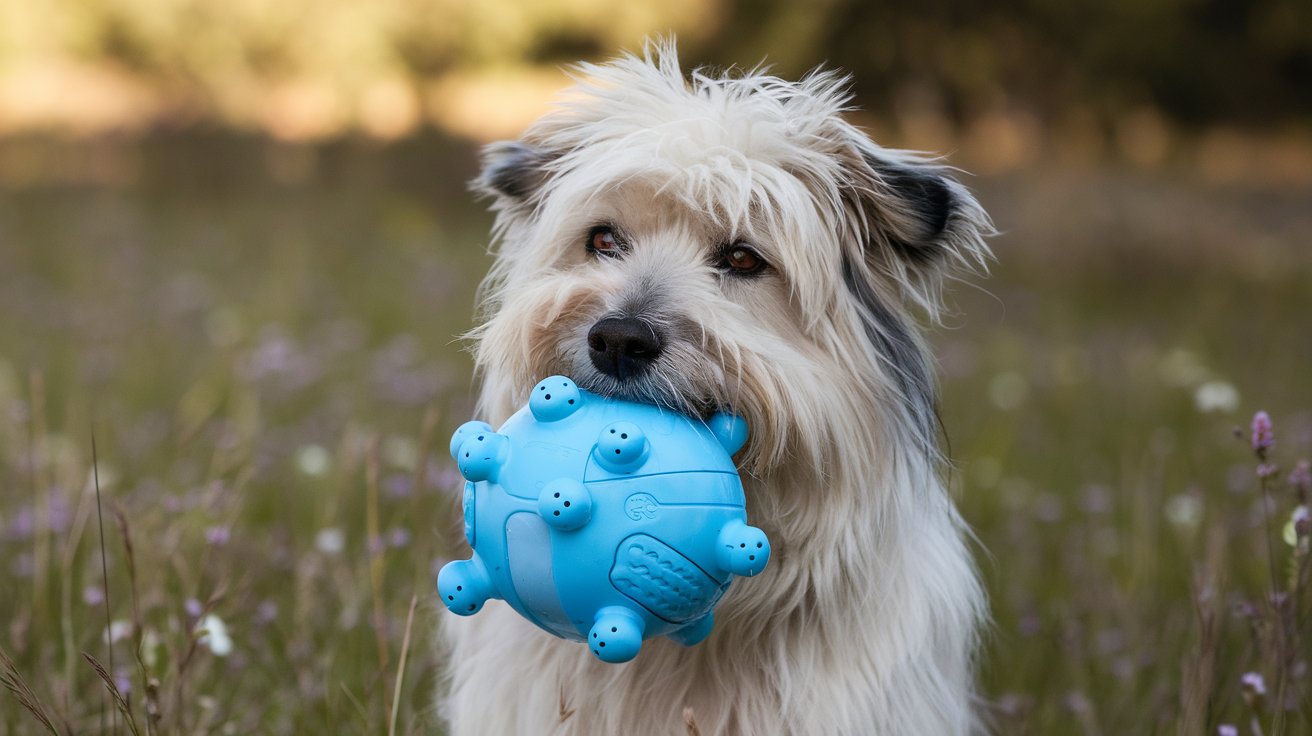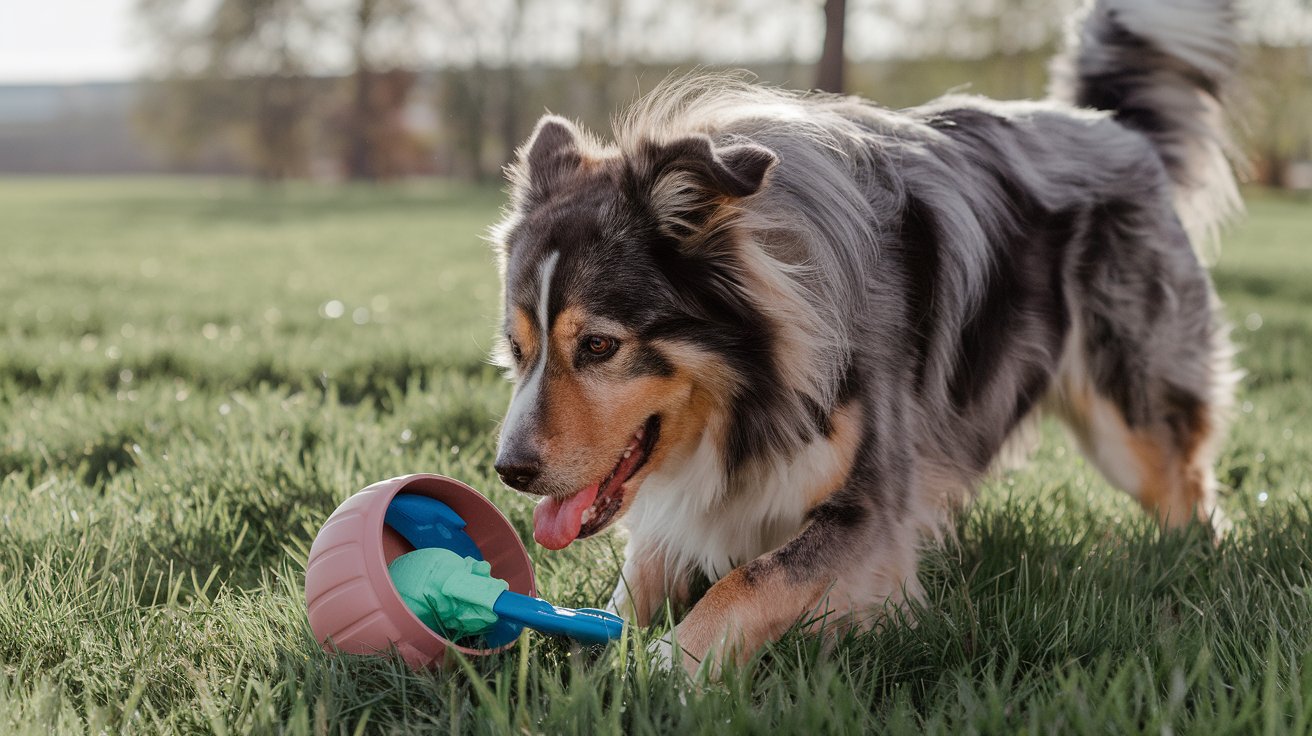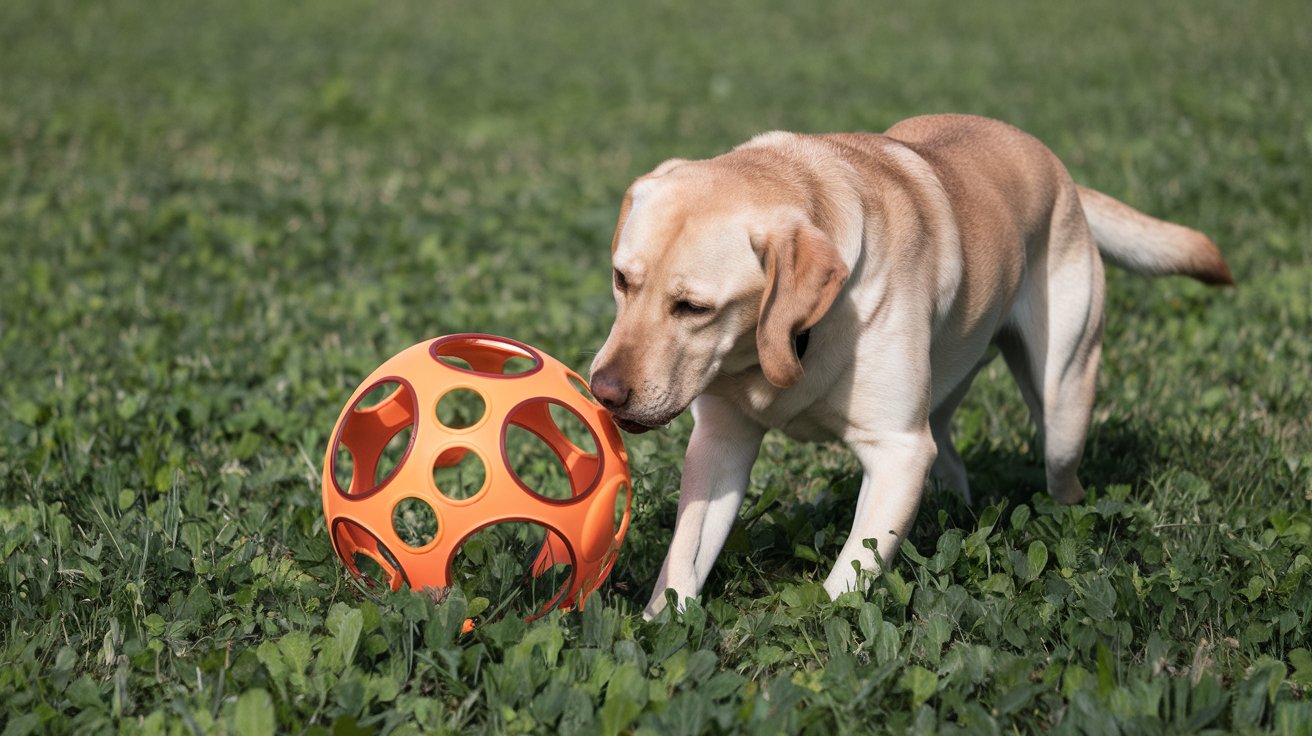
Interactive dog toys that move are revolutionizing pet entertainment by providing mental stimulation and physical exercise when owners are busy. These innovative toys use motors, sensors, and automated movements to keep dogs engaged, reduce anxiety, and prevent destructive behavior. From robotic balls to wiggling plush animals, moving interactive toys offer hands-free entertainment that adapts to your dog’s play style and energy level.
What Are Interactive Dog Toys That Move
Interactive dog toys that move are automated pet products designed with built-in motors, sensors, or mechanical systems that create movement without human intervention. These toys respond to your dog’s touch, bark, or proximity by rolling, bouncing, wiggling, or changing direction. Unlike static toys, moving interactive toys simulate prey behavior and maintain your dog’s interest for extended periods through unpredictable motion patterns.
The technology behind these toys has advanced significantly in 2024-2025, with many featuring rechargeable batteries, app connectivity, and adaptive movement algorithms that learn your dog’s preferences. Premium models include obstacle avoidance sensors, varying speed settings, and durable construction designed to withstand aggressive play. These toys are particularly beneficial for high-energy breeds, senior dogs needing gentle exercise, and pets experiencing separation anxiety.
Types of Interactive Moving Dog Toys
The market for interactive dog toys that move offers diverse categories designed for different play styles and dog sizes. Understanding these types helps pet owners select the most appropriate toy for their dog’s specific needs and preferences.
Motorized Ball Toys
Motorized ball toys represent the most popular category of interactive dog toys that move autonomously. These spherical toys feature internal motors that create rolling, bouncing, or erratic movement patterns. Advanced models like the CheerBle Smart Ball and Peppy Pet Ball include LED lights, variable speeds, and automatic shut-off features. Most motorized balls are waterproof and puncture-resistant, making them suitable for both indoor and outdoor play sessions lasting 30-60 minutes on a single charge.
Robotic Interactive Toys
Robotic dog toys utilize sophisticated programming to create lifelike movement patterns that challenge dogs mentally and physically. These toys often feature multiple sensors, programmable behaviors, and smartphone app integration for customized play experiences. Popular robotic options include bone-shaped toys that wiggle unpredictably and plush animals that move realistically. The best interactive toy for dogs in this category combines durability with engaging artificial intelligence that adapts to individual dog behaviors.
Benefits of Moving Interactive Dog Toys
Moving toys are good for dogs because they provide essential mental stimulation that prevents boredom and destructive behaviors. These toys engage a dog’s natural hunting instincts, encouraging physical activity even when owners are absent. Regular interaction with moving toys can reduce anxiety, improve cognitive function, and help maintain healthy weight levels through increased exercise.
Studies from the American Veterinary Medical Association indicate that dogs playing with interactive dog toys that move show 40% less destructive behavior and improved overall mood. The unpredictable movement patterns keep dogs engaged longer than static toys, providing up to 2-3 hours of entertainment. Additionally, these toys are particularly beneficial for senior dogs, offering gentle exercise that maintains joint mobility without overexertion.
Top Features to Look for in Moving Dog Toys
When selecting the best interactive dog toys that move, prioritize durability ratings, battery life, and safety certifications. High-quality toys feature reinforced construction materials, non-toxic components, and secure battery compartments that prevent accidental ingestion. Look for toys with multiple movement modes, adjustable speeds, and automatic shut-off features that conserve battery life.
Battery Life and Charging Options
Premium interactive dog toys that move offer 2-4 hours of continuous play time with rechargeable lithium-ion batteries. USB-C charging ports provide faster charging times, typically reaching full capacity in 60-90 minutes. Some models feature replaceable batteries for extended longevity, while others include wireless charging capabilities for maximum convenience. Consider toys with low-battery indicators to prevent unexpected shutdown during play sessions.
Size and Weight Considerations
The best interactive toy for dogs matches your pet’s size and play intensity level. Small dogs (under 25 pounds) benefit from lightweight toys measuring 3-4 inches in diameter, while large breeds require robust toys measuring 5-7 inches with reinforced construction. Medium-weight toys provide optimal balance between mobility and durability, ensuring the toy remains engaging without becoming a safety hazard through excessive force.
Popular Brands and Models in 2025
Leading manufacturers of interactive dog toys that move include CheerBle, Peppy Pet, VARRAM, and Wickedbone, each offering unique features and price points. CheerBle dominates the motorized ball segment with their Smart Ball series, featuring app connectivity and customizable movement patterns. VARRAM’s fitness robot targets health-conscious pet owners with activity tracking and treat-dispensing capabilities.
Wickedbone revolutionizes the market with their bone-shaped interactive toys that respond to smartphone commands and create unpredictable play sequences. Peppy Pet focuses on affordability without sacrificing quality, offering reliable motorized balls with essential features at budget-friendly prices. These brands consistently receive positive reviews for durability, battery life, and customer support throughout the United States market.
Safety Considerations for Moving Dog Toys
Safety remains paramount when introducing interactive dog toys that move to your pet’s routine. Always supervise initial play sessions to assess your dog’s reaction and ensure appropriate interaction. Check toys regularly for wear, damage, or loose components that could pose choking hazards. Remove toys immediately if cracks appear in the outer casing or if internal components become exposed.
Verify that moving toys meet ASTM safety standards and feature non-toxic materials approved for pet use. Avoid toys with small detachable parts, sharp edges, or easily punctured surfaces. Store toys in secure locations when not in use, and follow manufacturer guidelines for cleaning and maintenance. Monitor your dog’s play intensity to prevent overexertion, especially during initial introduction periods.
Training Your Dog to Use Interactive Moving Toys
Successfully introducing interactive dog toys that move requires patience and positive reinforcement techniques. Begin with the toy in stationary mode, allowing your dog to investigate and become comfortable with the object. Gradually activate movement features while offering treats and praise to create positive associations with the toy’s motion.
Initial Introduction Techniques
Start training sessions with the dog toy that keeps moving at the lowest speed setting to prevent overwhelming your pet. Place familiar scents or treats near the toy to encourage investigation and interaction. Use verbal commands like ‘play’ or ‘get it’ consistently during activation to build recognition patterns. Allow multiple short exposure sessions rather than extended periods during the first week of introduction.
Building Engagement Over Time
Gradually increase movement intensity and duration as your dog becomes comfortable with interactive dog toys that move. Rotate different toys to prevent habituation and maintain interest levels. Incorporate the toys into structured play times, using them as rewards for good behavior or training achievements. Monitor your dog’s energy levels and adjust play sessions accordingly to prevent exhaustion or loss of interest.
Maintenance and Care Tips
Proper maintenance extends the lifespan of interactive dog toys that move and ensures safe operation throughout their use. Clean toys regularly with pet-safe disinfectants, paying special attention to crevices where dirt and bacteria accumulate. Avoid submerging electronic components in water unless specifically rated as waterproof or submersible.
Store toys in dry, temperature-controlled environments to prevent battery degradation and component damage. Perform weekly inspections for wear patterns, loose screws, or damaged surfaces that could compromise safety. Follow manufacturer recommendations for battery replacement and software updates when applicable. Keep original packaging and documentation for warranty claims and troubleshooting assistance.
Cost Analysis and Value Comparison
Investment in quality interactive dog toys that move ranges from $25-150 depending on features, brand reputation, and construction materials. Budget options provide basic motorized movement suitable for occasional use, while premium models offer advanced features like app connectivity, multiple play modes, and enhanced durability. Consider cost-per-hour of entertainment when evaluating options, as higher-quality toys typically provide longer-lasting engagement.
Factor in replacement costs, battery life, and warranty coverage when calculating total ownership expenses. Premium toys with rechargeable batteries and robust construction often provide better long-term value despite higher initial costs. Compare features systematically rather than focusing solely on price, as the best value combines durability, safety, and engaging features that match your dog’s specific needs and play preferences.
Related video about interactive dog toys that move
This video complements the article information with a practical visual demonstration.
Everything you need to know about interactive dog toys that move
What is the dog toy that keeps moving?
The most popular dog toy that keeps moving is the motorized ball, featuring internal motors that create rolling and bouncing movements. These battery-powered toys use sensors and programming to move unpredictably, keeping dogs engaged for hours. Top models include CheerBle Smart Ball, Peppy Pet Ball, and VARRAM fitness robots with automatic movement patterns.
Are moving toys good for dogs?
Yes, moving toys are excellent for dogs as they provide essential mental stimulation, physical exercise, and help reduce anxiety and destructive behaviors. Studies show dogs using interactive moving toys exhibit 40% less destructive behavior and improved mood. These toys engage natural hunting instincts and provide entertainment when owners are busy or absent.
What is the best interactive toy for dogs?
The best interactive toy depends on your dog’s size, energy level, and preferences. For most dogs, motorized balls with variable speeds, rechargeable batteries, and durable construction offer optimal engagement. CheerBle Smart Ball and Wickedbone are top-rated options, featuring app connectivity, multiple play modes, and safety certifications for reliable performance.
How long do interactive moving dog toys typically last?
Quality interactive moving dog toys last 1-3 years with proper care and maintenance. Battery life ranges from 2-4 hours of continuous play, with full charges taking 60-90 minutes. Durability depends on construction materials, play intensity, and maintenance habits. Premium models with reinforced housing and replaceable batteries offer longest lifespans.
Can interactive moving toys help with dog training?
Interactive moving toys can support training by providing mental stimulation and serving as high-value rewards for good behavior. They help redirect energy from destructive activities and can be used in structured play sessions. However, they supplement rather than replace traditional training methods and should be introduced gradually with positive reinforcement techniques.
Are there safety concerns with moving dog toys?
Safety concerns include potential choking hazards from damaged components, overexertion during play, and battery safety. Always supervise initial use, inspect toys regularly for damage, and choose models meeting ASTM safety standards. Remove toys immediately if cracks appear, and ensure they’re appropriate for your dog’s size and play intensity level.
| Toy Type | Key Features | Best For |
|---|---|---|
| Motorized Balls | Rolling motion, LED lights, 2-4 hour battery | Active dogs, outdoor play |
| Robotic Toys | AI programming, app control, multiple modes | Tech-savvy owners, smart dogs |
| Wiggling Plush | Soft texture, realistic movement, quiet operation | Senior dogs, indoor use |
| Treat Dispensing | Food rewards, puzzle elements, adjustable difficulty | Food-motivated dogs, training |