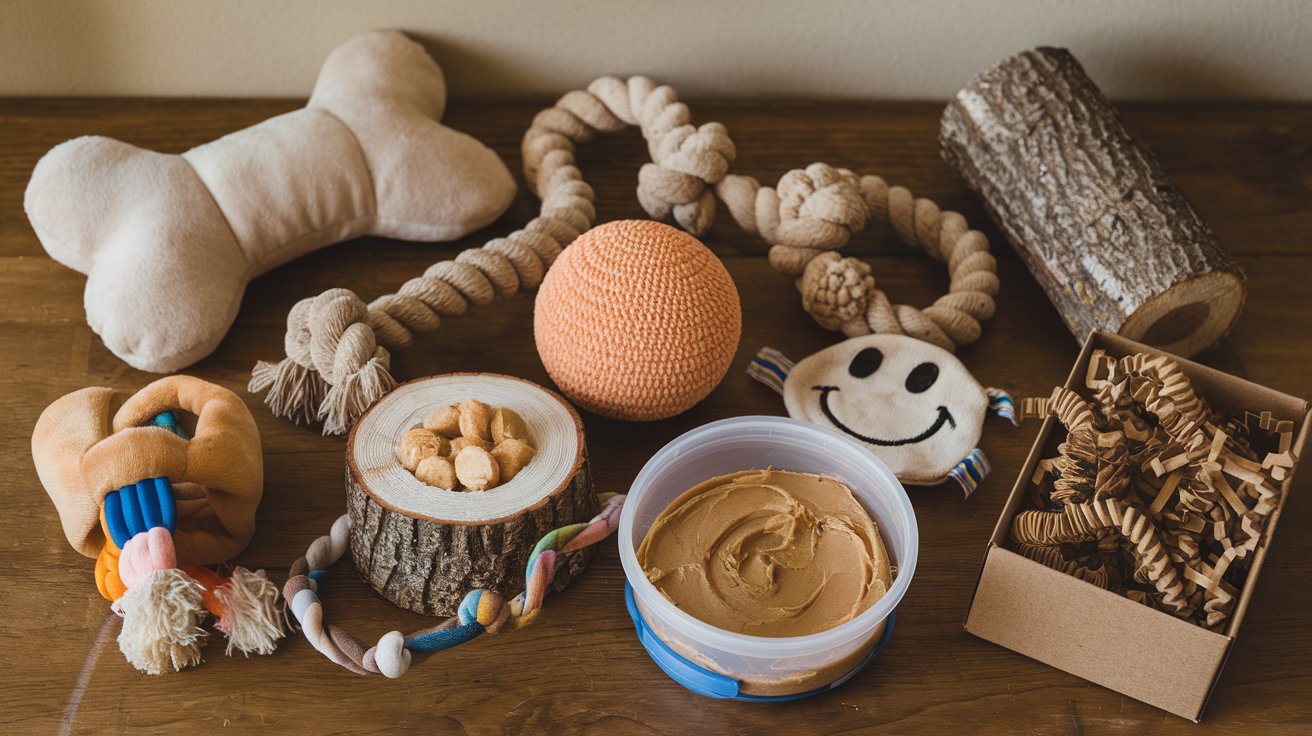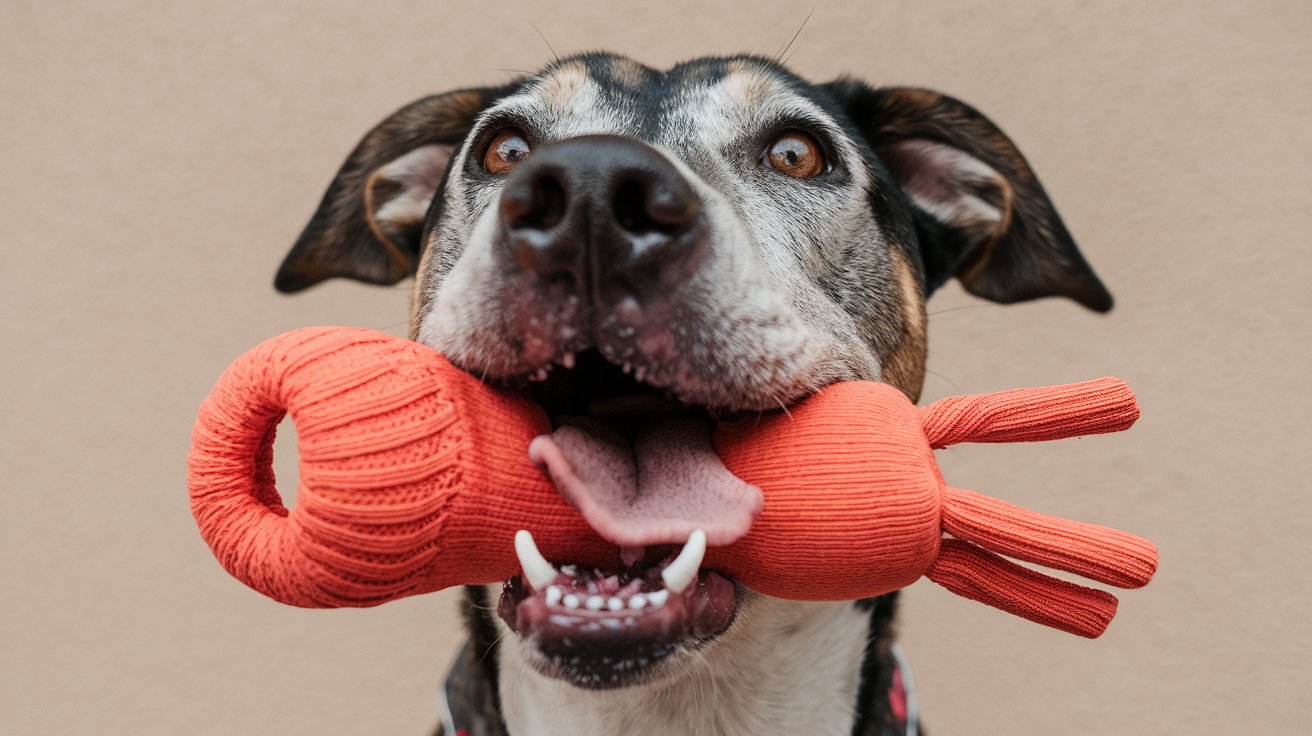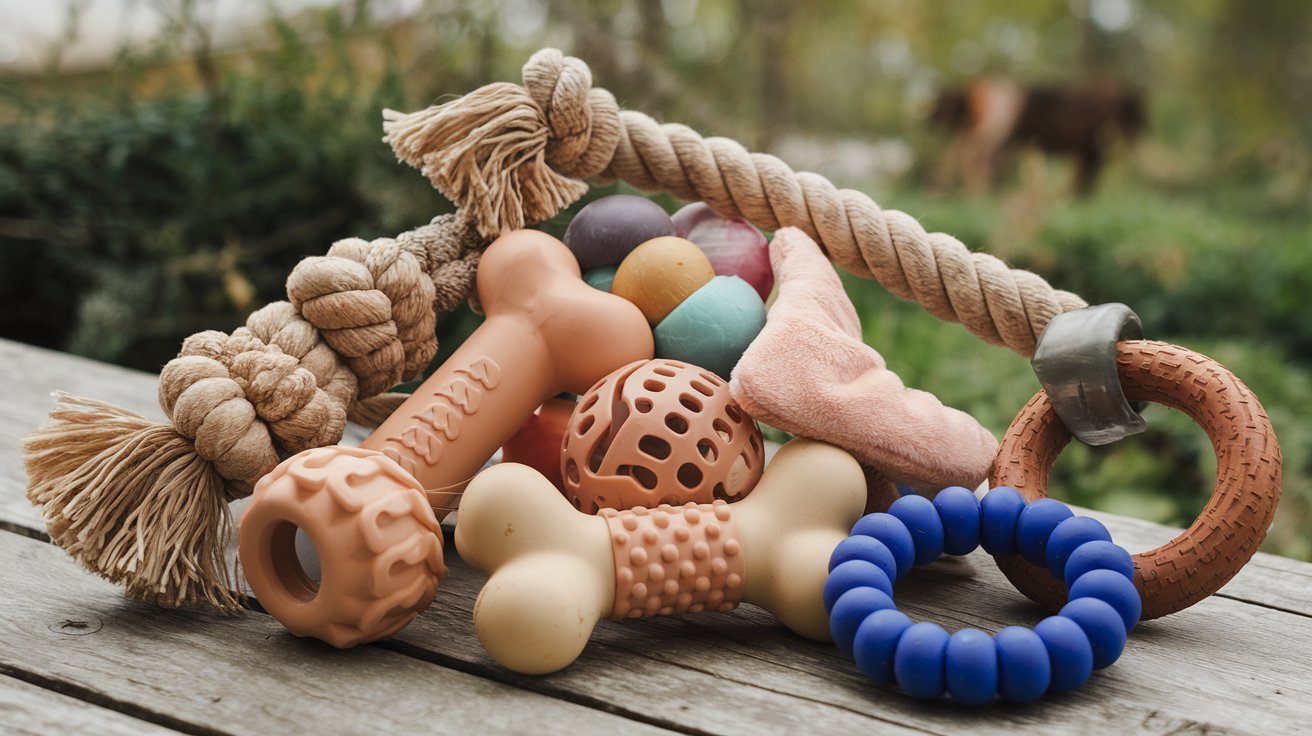
Power chewers destroy store-bought toys within minutes, costing pet owners an average of $150 annually on replacements. These DIY dog toys for power chewers use reinforced materials and clever construction techniques to withstand even the most aggressive chewers. Create virtually indestructible entertainment using common household items while saving money and ensuring your dog’s safety.
What Makes Dog Toys Indestructible for Power Chewers
Understanding your dog’s chewing strength is crucial before creating durable dog toys. Power chewers exert between 200-450 PSI of bite force, comparable to wolves in the wild. The most durable dog toy materials include thick rope fibers, reinforced fabric layers, and natural alternatives like sweet potato and frozen treats that provide extended engagement without breaking apart.
Material density and construction method determine longevity more than size. Heavy chewers require toys with multiple reinforcement points and materials that become more engaging as they’re worked, rather than simply falling apart. Professional-grade rope, thick canvas, and food-based options consistently outperform plastic alternatives for dogs with destructive tendencies.
Essential Materials for DIY Indestructible Dog Toys
Gathering the right supplies ensures your DIY dog toys withstand serious chewing sessions. Heavy-duty materials include 3/4-inch marine rope, thick fleece strips, canvas fabric, tennis balls, and PVC pipes with smooth edges. Avoid materials like thin cotton, small buttons, or anything that splinters easily, as these pose choking hazards for aggressive chewers.
Food-safe options expand your toolkit significantly. Sweet potatoes, frozen carrots, ice cubes made from low-sodium broth, and thick rawhide alternatives provide both nutrition and entertainment. Always supervise initial use of any mentally stimulating dog toys to ensure your dog’s chewing style matches the toy’s durability level.
How to Make Rope Toys for Heavy Chewers
Creating reinforced rope toys requires specific knotting techniques that distribute stress across multiple points. Start with 6 feet of marine-grade rope for a medium-sized dog, increasing length proportionally for larger breeds. The key to longevity lies in using lots of knots spaced every 3-4 inches along the rope’s length, creating natural stopping points that prevent complete unraveling.
Begin by folding the rope in half and creating a large loop knot at the center. Work outward in both directions, alternating overhand knots and figure-eight patterns. This construction method ensures that even if one section fails, the remaining knots keep the toy intact for continued use by power chewers.
Advanced Rope Braiding Techniques
Multi-strand braiding significantly increases durability for heavy chewers. Use three separate rope pieces, each 4 feet long, and braid them tightly together before adding reinforcement knots. This technique creates a toy that’s nearly impossible to completely destroy, as the braided structure distributes chewing pressure across multiple fiber groups.
Rope Safety Considerations
Monitor rope toys weekly for fraying ends that could pose ingestion risks. Trim loose fibers with scissors and retire toys when more than 20% of the rope shows wear. Quality marine rope typically lasts 3-6 months with daily use by aggressive chewers, making it a cost-effective option compared to store-bought alternatives.
Frozen Treat Toys That Last Hours
Frozen DIY dog toys provide extended entertainment while soothing sore gums from intensive chewing. Create layers using plain yogurt, mashed banana, and small training treats frozen in empty yogurt containers or ice cube trays. The freezing process creates a challenging texture that takes significant effort to consume completely.
For maximum durability, use thick-walled containers and add textural elements like small pieces of cooked sweet potato or frozen green beans. These additions create varying density levels that keep power chewers engaged for 30-60 minutes per toy, significantly longer than typical chew toys.
Layered Freezing Techniques
Create multi-layered frozen toys by freezing ingredients in stages. Start with a base layer of low-sodium broth, freeze for 2 hours, add a middle layer of mashed vegetables, freeze again, then top with plain yogurt. This method creates a mentally stimulating challenge that reveals different flavors and textures as dogs work through layers.
Safe Freezing Container Options
Use only food-grade containers without sharp edges or small parts. Empty yogurt cups, silicone molds, and Kong-style rubber toys work excellently for freezing. Avoid glass containers or anything that could shatter, as aggressive chewers may damage containers in their enthusiasm to access frozen contents.
Sweet Potato Power Chew Recipe
Sweet potatoes create naturally durable dog toys when properly prepared. Select large, firm sweet potatoes and slice them into 1-inch thick rounds. Potato prep involves removing any eyes or dark spots, then scoring the surface lightly to create grip points for your dog’s teeth without compromising structural integrity.
Bake ’em up at 225°F for 3-4 hours until they reach a leather-like consistency. This low-temperature, extended baking process removes moisture while maintaining flexibility, creating chew toys that bend rather than break under pressure from heavy chewers. Store finished treats in airtight containers for up to two weeks.
Tennis Ball Modifications for Extreme Chewers
Standard tennis balls fail quickly with power chewers, but modifications can extend their lifespan significantly. Cut strategic slits in tennis balls to create treat-dispensing puzzles, or stuff them with rope pieces to create hybrid toys. The key is reinforcing weak points where dogs typically begin destroying balls.
Create double-wall protection by placing one tennis ball inside a slightly larger one, securing with small rope pieces threaded through aligned holes. This construction method prevents complete ball destruction while maintaining the satisfying bounce and texture that dogs love in tennis balls.
Mentally Stimulating Puzzle Toys
Intelligence-based toys redirect destructive chewing into productive problem-solving activities. Create treat-dispensing puzzles using empty plastic bottles with holes cut at strategic angles, or construct hide-and-seek toys using multiple fabric layers with treats hidden between sections. These mentally stimulating dog toys tire dogs mentally as well as physically.
Rotating puzzle complexity keeps aggressive chewers engaged longer than simple chew toys. Start with easy challenges and gradually increase difficulty by adding more layers, smaller treat access holes, or multiple puzzle elements that must be solved in sequence. This approach provides hours of engagement while satisfying natural foraging instincts.
Progressive Difficulty Levels
Design toys with adjustable challenge levels by creating removable components. Use Velcro strips or snap fasteners to add or remove complexity layers based on your dog’s skill development. This modularity ensures toys remain engaging as dogs master each difficulty level, preventing boredom-driven destruction.
Multi-Step Problem Solving
Combine multiple puzzle elements into single toys for extended engagement. Create toys where dogs must first untie a knot, then manipulate a sliding component, finally accessing a hidden treat compartment. These complex mentally stimulating challenges can occupy determined chewers for extended periods.
Fabric-Based Indestructible Toys
Heavy-duty fabrics like canvas and denim create surprisingly durable dog toys when constructed properly. Use double or triple-layer construction with reinforced seams, and avoid decorative elements that could detach and create choking hazards. The secret lies in using fabrics that fray in long strips rather than small pieces.
Braided fabric strips work exceptionally well for power chewers because the braiding distributes stress across multiple fiber groups. Cut old jeans or canvas into 2-inch strips, braid tightly, and secure ends with additional fabric wrapping rather than ties that could be bitten off and swallowed.
Safety Guidelines for DIY Dog Toys
Always supervise initial use of any homemade toy to assess your dog’s interaction style and identify potential safety concerns. Remove toys immediately if they break into pieces smaller than your dog’s throat diameter, or if sharp edges develop during use. Regular inspection prevents dangerous situations before they occur.
Size appropriateness is crucial for heavy chewers – toys should be large enough that they cannot be swallowed whole, but small enough for comfortable manipulation. Replace worn toys promptly, as even the most durable dog toy will eventually succumb to persistent chewing and require replacement for safety reasons.
Related video about diy dog toys for power chewers
This video complements the article information with a practical visual demonstration.
Important things to know about diy dog toys for power chewers
How long do DIY dog toys last for power chewers?
Well-constructed DIY dog toys for power chewers typically last 2-8 weeks with daily use, compared to 1-3 days for store-bought toys. Rope toys and frozen treats generally provide the longest engagement time, while fabric toys offer moderate durability. The key is using proper construction techniques and high-quality materials like marine rope and thick canvas.
What materials should I avoid when making toys for aggressive chewers?
Avoid thin plastics, small decorative elements, anything that splinters, and materials treated with chemicals. Cooked bones, thin rope, and cheap fleece break down quickly and pose ingestion risks. Stick to food-grade materials, thick natural fibers, and items that break into large pieces rather than small fragments when damaged.
Are frozen DIY dog toys safe for daily use?
Frozen toys are safe for daily use when made with dog-friendly ingredients and properly sized containers. Use low-sodium broths, plain yogurt, and fresh vegetables while avoiding artificial sweeteners, grapes, or chocolate. Limit frozen treat sessions to 30-60 minutes to prevent stomach upset and always supervise initial use.
How can I make DIY toys mentally stimulating for smart chewers?
Create multi-step challenges by combining different puzzle elements, hiding treats in multiple layers, and requiring sequential problem-solving. Use treat-dispensing mechanisms, varying textures, and progressive difficulty levels. Rotate toys regularly and adjust complexity as your dog masters each challenge to maintain mental engagement.
What’s the most cost-effective DIY toy for heavy chewers?
Sweet potato chews offer the best value, costing approximately $2-3 per batch and lasting 1-2 weeks per toy. A single large sweet potato creates 8-10 chew pieces, compared to $15-20 for equivalent store-bought treats. Rope toys rank second, with marine rope costing $10-15 but creating multiple toys that last several months.
| Toy Type | Durability Rating | Cost Savings vs Store-Bought |
|---|---|---|
| Marine Rope Toys | 8-12 weeks for power chewers | 75% cost reduction |
| Sweet Potato Chews | 1-2 weeks per piece | 85% cost reduction |
| Frozen Treat Toys | 1-2 hours engagement | 70% cost reduction |
| Canvas Fabric Toys | 3-6 weeks moderate use | 65% cost reduction |