Keeping a puppy busy is essential for their development and your sanity. Active puppies need 5-10 minutes of exercise per month of age, twice daily, plus mental stimulation throughout the day. From interactive toys to training sessions, there are numerous effective strategies to keep your puppy entertained while preventing destructive behaviors and promoting healthy growth.
Understanding Puppy Activity Requirements
Puppies have unique activity requirements that differ significantly from adult dogs. According to the American Kennel Club, puppies need approximately 5 minutes of exercise per month of age, twice daily. This means a 3-month-old puppy requires about 15 minutes of structured activity, twice per day. However, mental stimulation is equally important and can tire a puppy more effectively than physical exercise alone.
The key to successfully keeping a puppy occupied lies in understanding their developmental stages. During their first year, puppies experience rapid brain development, making this period crucial for establishing routines. Puppy entertainment should balance physical activity, mental challenges, and rest periods to prevent overstimulation and promote healthy growth patterns.
Essential Puppy Rules for Busy Owners
The 10-10-10 rule for puppies is a time management strategy where you dedicate 10 minutes each to training, play, and rest throughout the day. This structured approach helps keep puppies entertained while establishing routines. The 3-3-3 rule refers to the adjustment period: 3 days for decompression, 3 weeks for routine establishment, and 3 months for full adaptation to their new environment.
The 5-minute rule for puppies is crucial for exercise management. For every month of age, allow 5 minutes of exercise twice daily. Exceeding this guideline can lead to joint problems and exhaustion. Understanding these rules helps create a balanced schedule that keeps your puppy busy without overwhelming their developing bodies and minds.
Indoor Activities to Keep Your Puppy Entertained
Indoor puppy activities are essential for rainy days and apartment living. These activities focus on mental stimulation and can be more tiring than physical exercise. Creating a variety of indoor entertainment options ensures your puppy stays engaged regardless of weather conditions or living space limitations.
Interactive Training Sessions
Short obedience training bursts of 5-10 minutes throughout the day effectively keep puppies engaged while building essential skills. Focus on basic commands like sit, stay, come, and down. Teaching your puppy new tricks such as shake, roll over, or play dead provides mental stimulation and strengthens your bond. Use high-value treats and positive reinforcement to maintain their attention during these training sessions.
Puzzle Toys and Food Dispensers
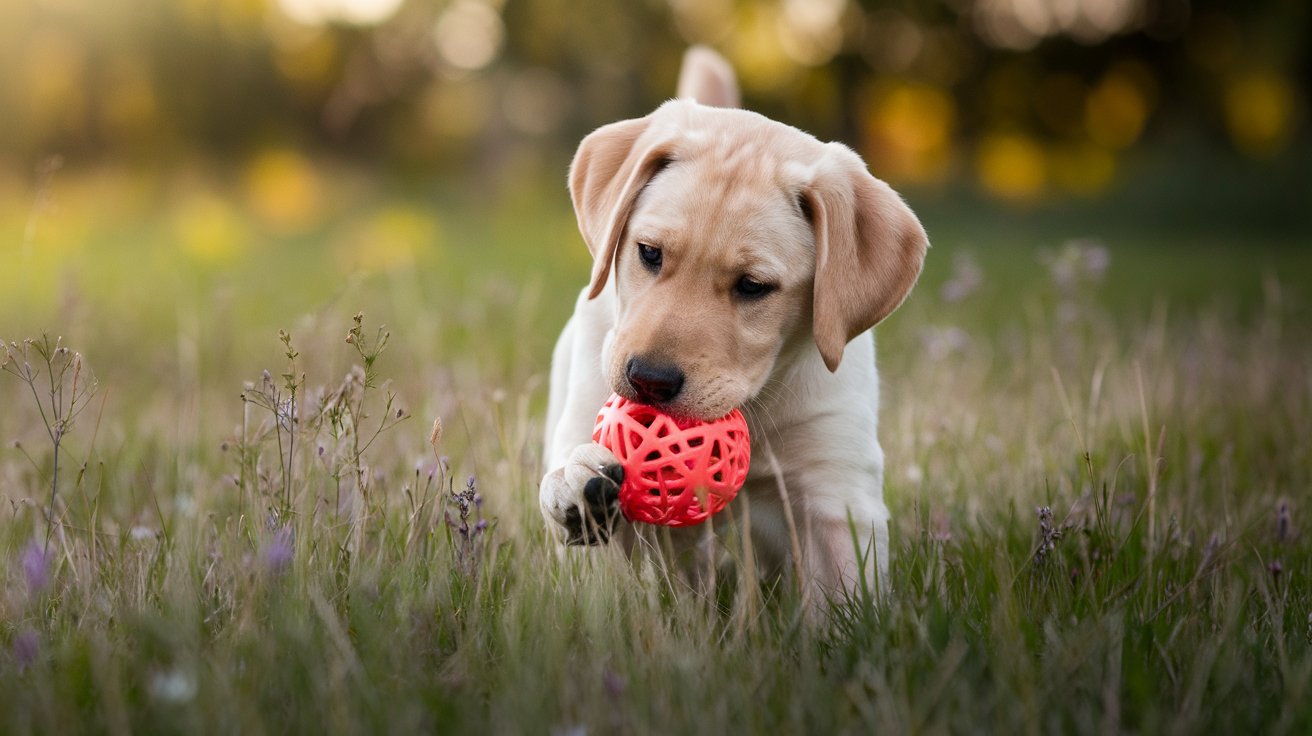
Food-dispensing puzzle toys and stuffed Kong toys are excellent for keeping puppies occupied for extended periods. Fill Kong toys with puppy-safe ingredients like plain yogurt, mashed banana, or wet puppy food, then freeze for longer-lasting entertainment. Puzzle feeders turn mealtime into a mental challenge, slowing down fast eaters while providing cognitive stimulation that can keep puppies busy for 20-30 minutes per meal.
Engaging Games and Activities
Interactive games for puppies combine fun with learning, making them ideal for maintaining engagement. These activities can be adapted for different energy levels and attention spans, ensuring your puppy stays entertained throughout the day.
Hide and Seek Games
Hide and seek games tap into your puppy’s natural hunting instincts. Start by hiding treats around the house and encouraging your puppy to find them using the command ‘find it.’ This scavenger hunt activity can keep puppies busy for 15-20 minutes while developing their problem-solving skills. Gradually increase difficulty by hiding treats in more challenging locations or using puzzle boxes.
Toy Rotation and Name Learning
Rotating your puppy’s toys weekly prevents boredom and maintains novelty. Keep 3-4 toys available while storing others, then swap them out regularly. Teaching your puppy toy names creates an engaging game where you can ask them to fetch specific toys by name. This activity combines mental stimulation with physical movement, effectively keeping your puppy busy while building vocabulary recognition.
Physical Activities for Active Puppies
Physical activities should be age-appropriate and focused on controlled play rather than intense exercise. Tug of war is excellent for puppies over 4 months old, helping them burn energy while learning bite inhibition and impulse control. Always let the puppy win occasionally to maintain their interest and confidence in the game.
Creating an indoor obstacle course using household items like pillows, boxes, and blankets provides physical challenges without overexertion. Set up tunnels to crawl through, small jumps to navigate, and weaving patterns around chair legs. This type of structured play keeps puppies busy while developing coordination and confidence in navigating different environments.
How to Keep a Puppy Busy Outside
Outdoor activities for puppies should be carefully monitored, especially before complete vaccination. A fenced yard provides the safest environment for exploration and play. Nature walks on a leash offer sensory stimulation through new sights, sounds, and smells. Keep outdoor sessions short initially, around 10-15 minutes for young puppies, gradually increasing as they grow stronger.
Outdoor puzzle games can include hiding treats in grass, setting up a small digging area with buried toys, or creating a mini agility course with safe, low obstacles. Always supervise outdoor play and ensure your puppy has access to shade and fresh water. These activities provide both physical exercise and mental stimulation while satisfying natural exploration instincts.
Keeping Puppies Busy During Work Hours
For owners wondering how to keep a puppy entertained while working from home, creating a structured routine is essential. Set up a designated puppy area with rotating toys, puzzle feeders, and comfortable resting spots. Interactive cameras with treat dispensers allow remote engagement during meetings, keeping your puppy mentally stimulated throughout the workday.
Crate entertainment options include special crate-safe toys, frozen Kong toys, and chew toys designed for unsupervised use. Never leave puppies crated for more than 3-4 hours without breaks. For longer work periods, consider puppy daycare or professional dog walking services to ensure your puppy receives adequate attention and exercise while maintaining their development schedule.
Morning Routine Activities
Starting the day with morning activities sets a positive tone and helps burn excess energy accumulated overnight. A 5-10 minute training session combined with interactive play can effectively tire a puppy mentally before you begin your daily routine. Morning puzzle feeding turns breakfast into an engaging activity that keeps puppies busy for 15-20 minutes.
Window watching stations near bird feeders or busy streets provide natural entertainment for curious puppies. Setting up a comfortable viewing area with toys and water nearby creates a self-directed activity that can keep your puppy occupied during morning work calls or household tasks.
Age-Appropriate Entertainment Strategies
Puppy entertainment needs vary significantly by age. Puppies under 12 weeks require shorter, more frequent activities with plenty of rest periods. Focus on gentle socialization activities and basic handling exercises. Puppies aged 3-6 months can handle more complex puzzle toys and longer training sessions, while older puppies approaching one year can engage in more challenging activities and extended play periods.
Adapting activities to your puppy’s developmental stage ensures optimal engagement without overwhelming their growing minds and bodies. Young puppies benefit from simple hide-and-treat games, while older puppies can master complex tricks and navigate challenging obstacle courses. Monitor your puppy’s energy levels and adjust activities accordingly to maintain healthy mental and physical development.
Creating a Balanced Daily Schedule
A well-structured daily schedule alternates between high-energy activities and rest periods, keeping your puppy busy without causing exhaustion. Morning activities should focus on energy release through play and training, while afternoon sessions can emphasize mental stimulation through puzzle toys and learning games. Evening activities should be calmer, preparing your puppy for nighttime rest.
Including 15-minute training blocks throughout the day maintains engagement while building essential skills. Combine these with independent play periods using puzzle toys and rotating entertainment options. This balanced approach ensures your puppy receives adequate mental and physical stimulation while developing healthy sleep patterns and reducing anxiety-related behaviors.
Related video about how to keep a puppy busy
This video complements the article information with a practical visual demonstration.
Everything you need to know about how to keep a puppy busy
How do I keep my puppy occupied for hours?
To keep your puppy occupied for hours, use a combination of puzzle toys, frozen Kong treats, rotating toy systems, and structured rest periods. Puppies under 6 months shouldn’t be active for hours continuously – instead, alternate 15-20 minutes of activity with 1-2 hour rest periods. Interactive feeders, treat-dispensing toys, and safe chew toys provide extended entertainment while promoting healthy development.
What is the 10-10-10 rule for puppies?
The 10-10-10 rule involves dedicating 10 minutes each to training, active play, and calm activities throughout your puppy’s day. This structured approach ensures balanced mental and physical stimulation while preventing overstimulation. Apply this rule 3-4 times daily, adjusting the intensity based on your puppy’s age and energy levels.
What is the 3-3-3 rule for puppies?
The 3-3-3 rule describes puppy adjustment periods: 3 days for initial decompression and settling in, 3 weeks for learning household routines and basic rules, and 3 months for full adaptation and bonding. This timeline helps set realistic expectations for puppy behavior and training progress while establishing effective entertainment routines.
What is the 5-minute rule for puppies?
The 5-minute rule states that puppies need 5 minutes of exercise per month of age, twice daily. A 3-month-old puppy should get 15 minutes of structured exercise twice per day. This prevents overexertion and joint damage while ensuring adequate physical activity. Mental stimulation through puzzle toys and training can supplement this physical exercise requirement.
How can I keep my puppy busy while working from home?
While working from home, use puzzle feeders for meals, rotate toys every 2-3 hours, provide frozen Kong toys, and set up a puppy-safe area with various entertainment options. Schedule 10-15 minute play breaks between meetings, use interactive cameras with treat dispensers, and ensure your puppy has comfortable rest areas. Combine independent activities with scheduled interaction periods for optimal results.
| Activity Type | Duration | Key Benefits |
|---|---|---|
| Puzzle Toys | 20-30 minutes | Mental stimulation, slows eating, independent play |
| Training Sessions | 5-10 minutes | Builds skills, strengthens bond, mental exercise |
| Hide and Seek Games | 15-20 minutes | Natural instincts, problem-solving, physical activity |
| Frozen Kong Toys | 30-45 minutes | Extended entertainment, dental health, calm focus |