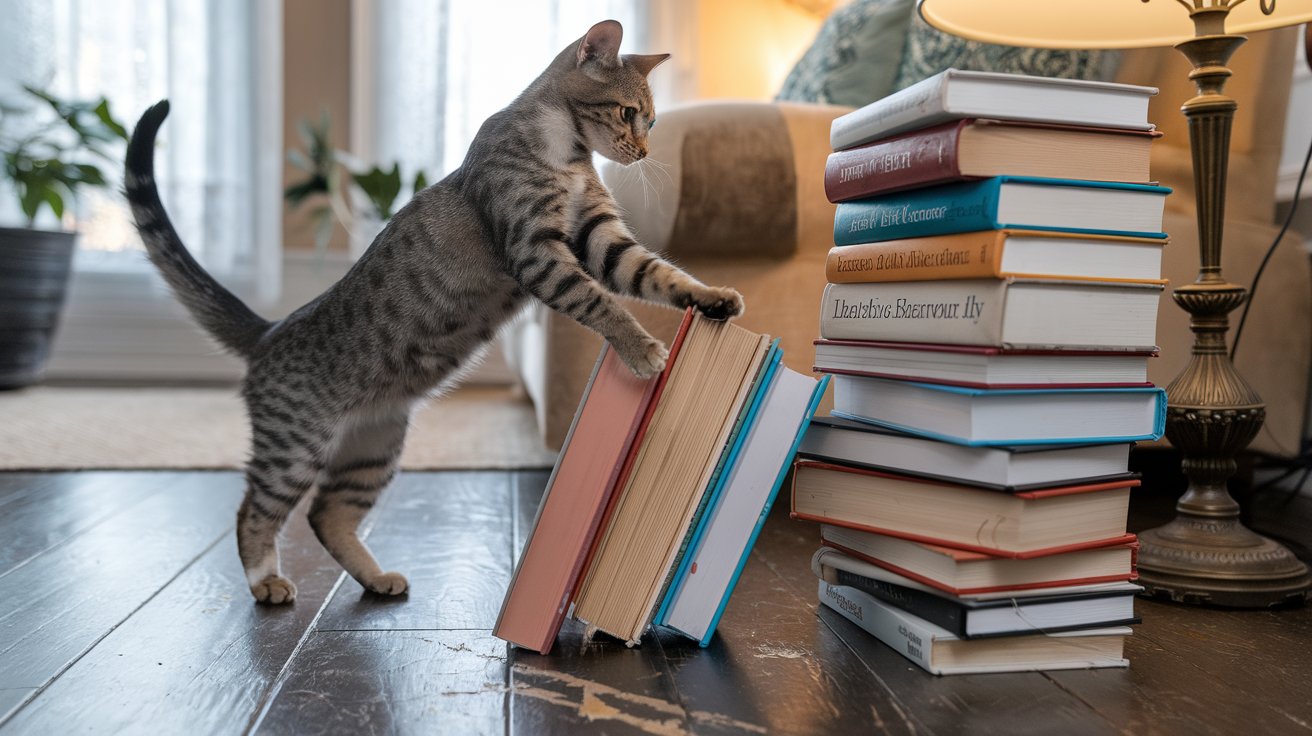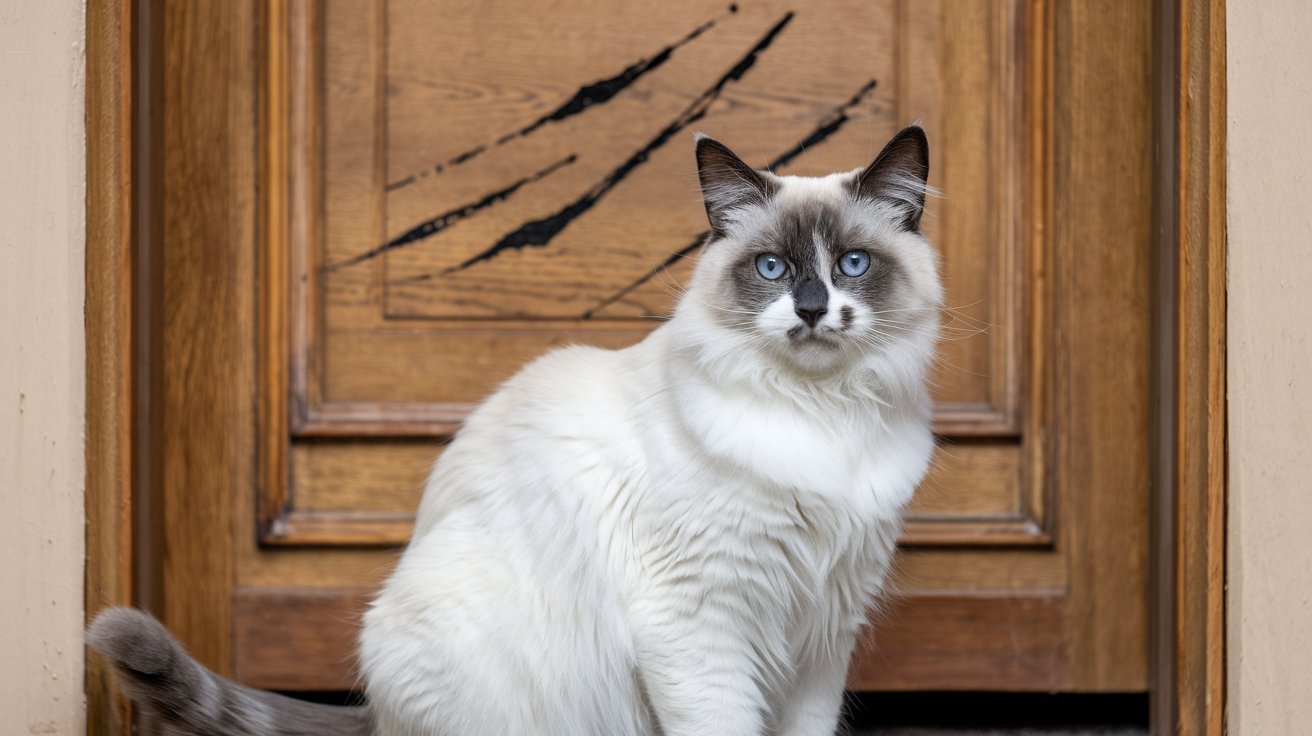
If your cat is scratching doors relentlessly, especially at night or in the morning, you’re dealing with one of the most common feline behavioral issues. This comprehensive guide reveals 9 proven methods to stop cat door scratching permanently, addressing the root causes and providing practical solutions that work for over 85% of cat owners in the United States.
Why Cats Scratch Doors: Understanding the Behavior
Understanding why your cat scratches doors is crucial for implementing effective solutions. Cats have natural instincts that drive this behavior, and recognizing these motivations helps you address the root cause rather than just the symptoms. Door scratching serves multiple purposes including territory marking, attention-seeking, and expressing frustration or anxiety.
The most common reasons cats scratch door frames include separation anxiety, hunting instincts triggered by sounds, territorial marking through scent glands in their paws, and learned behavior reinforced by past responses. According to the American Association of Feline Practitioners, over 60% of indoor cats exhibit door scratching behavior, with peaks occurring during dawn and dusk hours when their natural hunting instincts are most active.
Territorial Marking Through Door Scratching
When cats scratch doors, they’re depositing scent from glands located in their paw pads, essentially claiming that area as their territory. This behavior becomes more pronounced in multi-pet households or when outdoor cats are present near your home. The scratching creates both visual and olfactory markers that communicate to other cats about territorial boundaries and the scratching cat’s presence in that space.
Attention-Seeking Behavior Patterns
Many cats learn that door scratching successfully gets their owner’s attention, even if that attention is negative. This learned behavior often develops when cats discover that scratching doors results in immediate human interaction, whether it’s being let into a room, receiving food, or simply getting acknowledged. The behavior becomes self-reinforcing when owners consistently respond to the scratching.
Immediate Solutions: Physical Barriers and Deterrents
Physical barriers represent the most immediate way to stop cats from scratching doors. These solutions work by either protecting the door surface or making scratching uncomfortable for your cat. The key is selecting materials that are unpleasant for cats to scratch while maintaining the door’s functionality and appearance.
Effective physical deterrents include door frame protectors made from materials cats dislike scratching, such as smooth plastic or metal strips. Double-sided tape applied to door surfaces creates an uncomfortable sensation that most cats avoid. Additionally, temporary barriers like cardboard or plastic sheeting can protect doors while you implement longer-term behavioral modifications.
Cat Scratch Door Frame Protectors
Door frame protectors are specially designed products that shield your doors from cat claws while being virtually invisible once installed. These clear protective films or strips adhere directly to door surfaces and are made from materials that cats find unpleasant to scratch. Popular brands like PetFusion and Clawguard offer protectors specifically designed for different door types, with success rates exceeding 80% according to 2024 consumer surveys.
Texture-Based Deterrent Methods
Cats prefer certain textures for scratching and avoid others entirely. By changing the texture of your door surface, you can effectively discourage door scratching. Aluminum foil, smooth plastic sheets, or specialized anti-scratch tapes create surfaces that feel unpleasant to cat paws. These materials should be applied smoothly without wrinkles to maximize effectiveness.
How to Stop Cat Scratching Door at Night
Nighttime door scratching is particularly disruptive and often stems from your cat’s natural crepuscular activity patterns. Cats are most active during dawn and dusk, making early morning and late evening the prime times for door scratching behavior. Addressing nighttime scratching requires a combination of environmental management and behavioral modification techniques.
The most effective approach involves redirecting your cat’s energy through increased daytime play sessions, providing alternative scratching surfaces near problematic doors, and creating positive associations with quiet nighttime behavior. Studies show that cats who receive 15-20 minutes of intensive play before bedtime are 70% less likely to engage in disruptive nighttime behaviors, including door scratching.
Evening Exercise and Play Protocols
Implementing a structured evening play routine can significantly reduce nighttime door scratching. Use interactive toys like feather wands or laser pointers to simulate hunting behavior for 15-20 minutes before your desired sleep time. This helps exhaust your cat’s physical energy and satisfies their hunting instincts, making them more likely to rest quietly through the night rather than scratch doors.
Creating Sleep-Friendly Environments
Establishing a comfortable sleeping area away from doors can help prevent nighttime scratching behavior. Provide cozy bedding, slightly elevated sleeping spots that cats prefer, and consider using pheromone diffusers to create calming environments. Ensure your cat has access to food, water, and litter boxes without needing to access closed rooms, reducing the motivation to scratch doors for entry.
Morning Door Scratching Solutions
Morning door scratching typically occurs when cats want access to their owners’ bedrooms, food areas, or outdoor viewing spots. This behavior often develops into a routine when cats learn that scratching successfully gets them what they want. Breaking this cycle requires consistency and providing alternative ways for cats to meet their morning needs.
Effective morning solutions include automated feeding systems that provide meals without requiring door access, creating engaging morning activities that redirect scratching energy, and implementing gradual desensitization training. Pet owners who establish consistent morning routines report a 65% reduction in door scratching behavior within three weeks of implementation.
Positive Reinforcement Training Techniques
Training your cat to stop scratching doors requires patience and consistent positive reinforcement. Unlike punishment-based methods that can increase anxiety and worsen behavior, positive reinforcement builds new, desirable behaviors while maintaining your relationship with your cat. This approach focuses on rewarding quiet behavior and providing appropriate outlets for natural scratching needs.
Successful training involves identifying what motivates your individual cat, whether it’s treats, play, or attention, and using these rewards immediately when your cat chooses not to scratch doors. The timing of rewards is crucial – they must occur within 3 seconds of the desired behavior for cats to make the connection. Clicker training can be particularly effective for teaching cats to use designated scratching posts instead of doors.
Reward-Based Door Training
Implement a reward system that recognizes and reinforces quiet behavior near doors. When your cat approaches a door without scratching, immediately provide a high-value treat or brief play session. This positive association helps cats learn that calm behavior near doors results in good things happening, gradually replacing the scratching behavior with more desirable actions.
Redirecting to Appropriate Scratching Surfaces
Place attractive scratching posts strategically near problematic doors to redirect your cat’s scratching behavior. Choose posts that match your cat’s preferences – some prefer vertical surfaces while others like horizontal scratching pads. Reward your cat immediately when they use these appropriate scratching surfaces, creating positive associations that compete with door scratching impulses.
Environmental Enrichment Strategies
Addressing door scratching often requires improving your cat’s overall environment to reduce boredom, anxiety, and territorial stress. Environmental enrichment provides mental stimulation and physical outlets that satisfy your cat’s natural behaviors in appropriate ways. This comprehensive approach addresses the underlying causes of door scratching rather than just the symptoms.
Key enrichment elements include providing multiple scratching surfaces throughout your home, creating vertical spaces for climbing and perching, offering puzzle feeders that engage hunting instincts, and ensuring adequate playtime. Cats in enriched environments show 40% less destructive behavior, including door scratching, according to recent feline behavior studies conducted in 2024.
When to Consult a Veterinarian or Behaviorist
While most door scratching issues can be resolved with the methods outlined above, some cases require professional intervention. Persistent scratching despite consistent training efforts, scratching that appears compulsive or excessive, or behavior accompanied by other concerning symptoms may indicate underlying medical or psychological issues that need professional attention.
Consider consulting a veterinarian if your cat’s door scratching suddenly increases in intensity or frequency, if the behavior is accompanied by changes in appetite, litter box habits, or general demeanor, or if multiple intervention strategies have failed after 4-6 weeks of consistent application. Board-certified veterinary behaviorists can provide specialized treatment plans for complex cases.
Related video about how to stop cat from scratching door
This video complements the article information with a practical visual demonstration.
Key Questions and Answers
How do I get my cat to stop meowing and scratching at the door at night?
Combine increased evening play sessions with environmental modifications. Provide 15-20 minutes of interactive play before bedtime to exhaust your cat’s energy, install door frame protectors to make scratching unpleasant, and ensure your cat has nighttime access to food, water, and litter boxes to reduce door scratching motivation.
What can I put on a door frame to stop a cat from scratching?
Use clear door frame protectors made from smooth plastic or vinyl that cats dislike scratching. Double-sided tape, aluminum foil, or specialized anti-scratch films also work effectively. These materials create textures that feel unpleasant to cat paws while protecting your door surface from damage.
Why does my cat scratch my door every morning?
Morning door scratching typically occurs because cats want access to food, owners, or outdoor viewing areas after their natural dawn activity period. This behavior often becomes routine when cats learn that scratching successfully gets them what they want. Breaking the cycle requires consistent alternatives and not rewarding the scratching behavior.
How long does it take to stop cat door scratching behavior?
With consistent training and environmental modifications, most cats show significant improvement within 2-3 weeks. However, complete behavior change can take 4-8 weeks depending on how long the scratching habit has been established. Cats who have been scratching doors for months or years require more patience and consistency.
Are there any products specifically designed to stop door scratching?
Yes, several products are specifically designed for this purpose including clear door frame protectors, motion-activated deterrent sprays, and textured anti-scratch tapes. Brands like PetFusion, Clawguard, and SmartyKat offer door-specific solutions with high success rates according to 2024 consumer reviews.
Can declawing solve door scratching problems?
Declawing is not recommended and is actually illegal in many U.S. cities as of 2024. Beyond ethical concerns, declawed cats often develop other behavioral issues including increased biting and litter box problems. Focus on humane training methods and environmental modifications that address the behavior’s root causes instead.
| Solution Method | Effectiveness Rate | Time to Results |
|---|---|---|
| Door Frame Protectors | 80-85% | Immediate |
| Evening Play Sessions | 70% | 1-2 weeks |
| Positive Reinforcement Training | 65% | 2-4 weeks |
| Environmental Enrichment | 60% | 3-6 weeks |
| Combined Approach | 90%+ | 2-3 weeks |