Learning how to tire out a dog effectively is essential for maintaining a happy, well-behaved pet and peaceful household. High-energy dogs require both physical exercise and mental stimulation to prevent destructive behaviors, excessive barking, and restlessness. This comprehensive guide provides proven methods that work for dogs of all sizes and energy levels, whether you’re dealing with limited space, bad weather, or time constraints.
Understanding Your Dog’s Energy Requirements
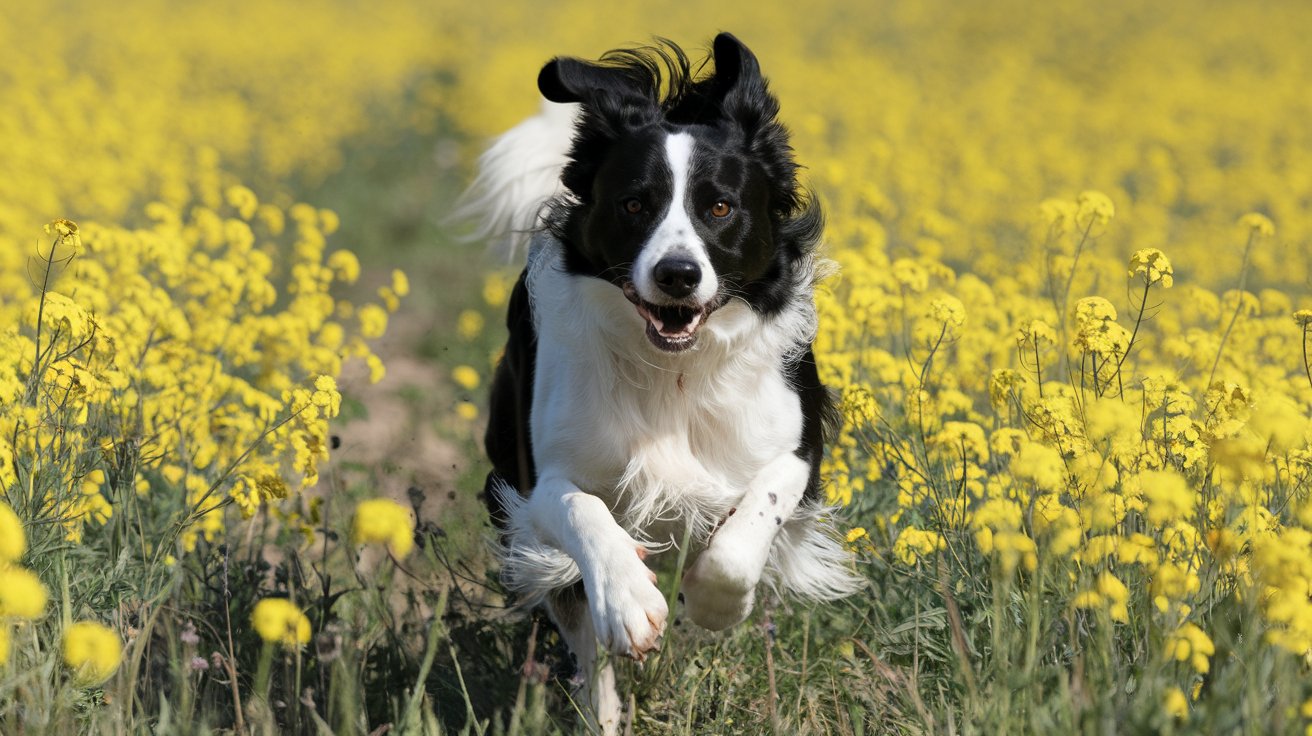
Before exploring specific techniques, it’s crucial to understand that different breeds have vastly different energy needs. Working breeds like Border Collies and Australian Shepherds require 2-3 hours of intensive activity daily, while smaller breeds may need only 30-60 minutes. According to the American Kennel Club’s 2024 guidelines, most adult dogs need at least 30 minutes of physical activity plus mental stimulation to maintain optimal health and behavior.
The fastest way to tire a dog out combines both physical and mental exercises simultaneously. Dogs that receive only physical exercise without mental challenges often remain restless and may develop behavioral issues. Understanding your dog’s breed characteristics, age, and individual personality helps determine the most effective approach to managing their energy levels throughout the day.
Physical Exercise Methods to Tire Out Your Dog
Physical exercise remains the foundation of any effective dog-tiring strategy. The key is maximizing efficiency while ensuring safety and enjoyment for both you and your pet.
High-Intensity Walking and Running Techniques
How to tire dog out on walk effectively involves incorporating interval training and varied terrain. Instead of steady-paced walks, alternate between brisk walking, short sprints, and hill climbing. This approach can tire a dog in 20-30 minutes compared to an hour of regular walking. Use a hands-free leash system to allow natural running movements while maintaining control.
Swimming and Water Activities
Swimming is one of the most effective exercises that burns the most energy for dogs while being gentle on joints. Just 10 minutes of swimming equals approximately 30 minutes of running. Many communities across the United States now offer dog swimming facilities, with over 400 dedicated dog pools operating nationwide as of 2024. For dogs without access to pools, sprinkler play or kiddie pools provide excellent alternatives.
Mental Stimulation Strategies
Mental exhaustion often proves more effective than physical exercise alone. Cognitive challenges engage your dog’s problem-solving abilities and can leave them satisfied and calm for hours.
Puzzle Toys and Interactive Games
Interactive puzzle toys force dogs to work for rewards, providing mental stimulation that can tire out a dog effectively. Rotate different puzzle types weekly to maintain interest and challenge levels. Kong toys stuffed with frozen treats can occupy dogs for 30-45 minutes, while puzzle feeders turn mealtime into an enriching activity.
Training Sessions and Trick Learning
Short, focused training sessions of 10-15 minutes can be surprisingly tiring for dogs. Teaching new tricks or reinforcing commands requires intense concentration. The 7 7 7 rule for dogs suggests practicing commands in 7 different locations, with 7 different people, for 7 days to ensure reliable learning while providing mental exhaustion.
Indoor Activities for Limited Spaces
Weather conditions and living situations don’t have to limit your ability to tire out your dog. These indoor methods are particularly valuable for apartment dwellers and during harsh weather conditions.
Staircase Exercises and Indoor Fetch
Stair climbing provides excellent cardiovascular exercise in minimal space. How to tire out a dog inside effectively includes controlled stair runs, where dogs climb up and down 10-15 times. Indoor fetch using soft toys in hallways or large rooms can provide significant physical activity when outdoor options aren’t available.
Hide and Seek Games
Hide and seek games engage both physical and mental energy. Hide treats around the house, encouraging your dog to use their natural scenting abilities. This activity can occupy a dog for 30-45 minutes and provides excellent mental stimulation while requiring minimal human participation after setup.
Weather-Specific Exercise Solutions
Different weather conditions require adapted approaches to maintain consistent exercise routines year-round.
Rainy Day Activities
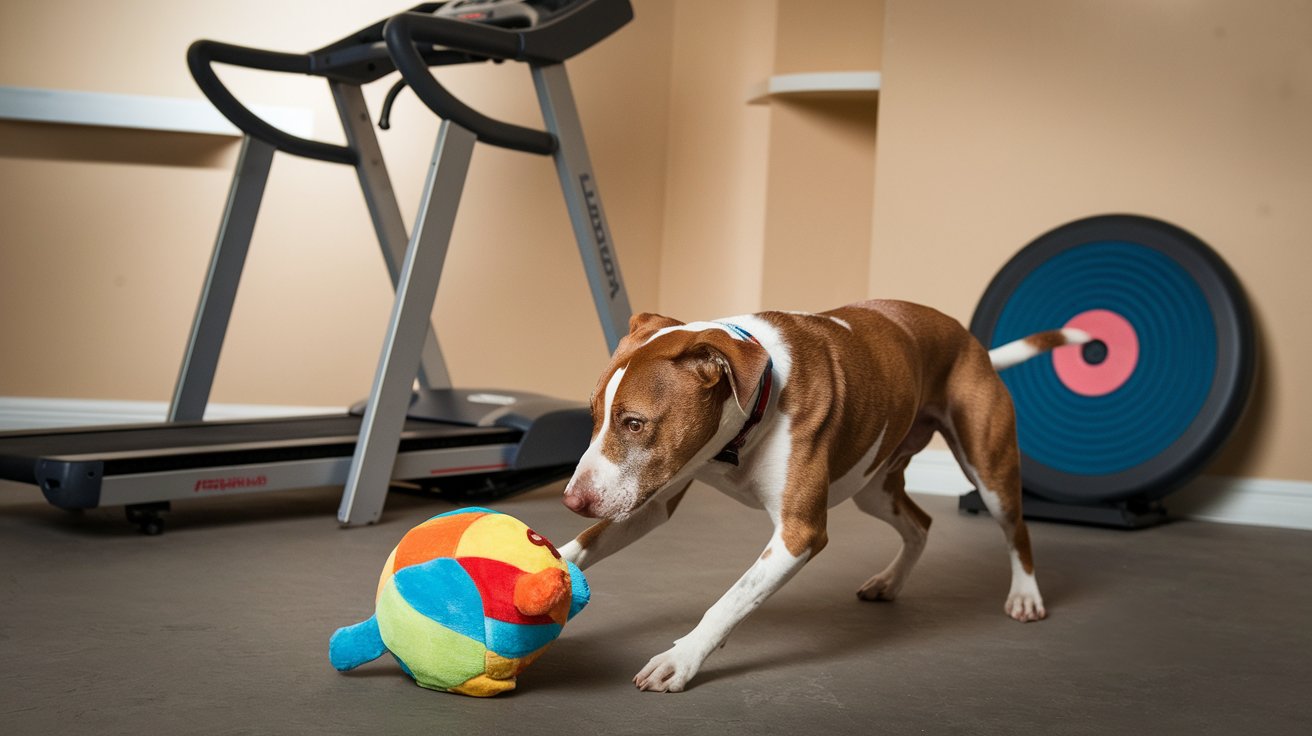
How to tire out a dog on a rainy day requires creativity and indoor alternatives. Set up obstacle courses using household items like chairs, blankets, and cushions. Treadmill training, if properly introduced, provides excellent exercise regardless of weather. Many dog daycare facilities report 40% higher attendance during rainy periods, indicating the challenge many owners face.
Winter Exercise Modifications
How to tire out a dog in winter safely involves shorter, more frequent sessions and appropriate gear. Dog boots protect paws from salt and ice, while reflective vests ensure visibility during darker winter months. Indoor activities become more important, with heating costs making many owners prefer mental stimulation over extended outdoor time.
Nighttime Preparation Strategies
How to tire out a dog before bed requires timing and specific activities that promote calmness rather than excitement. Evening exercise should conclude at least 2 hours before bedtime to allow natural wind-down time.
Calming Evening Routines
Gentle activities like slow-paced walks, puzzle feeding, or quiet training sessions work better than high-intensity exercise before bed. How to tire out a dog overnight preparation includes providing engaging chew toys that can occupy them if they wake during the night.
Sleep Environment Optimization
Creating the right sleep environment supports natural tiredness. Dogs sleep 12-14 hours daily, and proper daytime exercise ensures quality nighttime rest. Temperature control, comfortable bedding, and reduced stimulation help maintain consistent sleep patterns that support overall energy management.
The 3-3-3 Rule and Adaptation Periods
The 3-3-3 rule for dogs applies to newly adopted dogs adjusting to new homes and routines. Dogs typically need 3 days to decompress, 3 weeks to learn routines, and 3 months to fully settle. During this period, exercise needs may fluctuate as dogs adapt to their new environment and energy levels stabilize.
Understanding this timeline helps owners adjust exercise expectations and methods accordingly. Newly adopted dogs may initially appear less energetic due to stress, then show increased energy as they become comfortable. Monitoring these changes ensures appropriate exercise modification throughout the adaptation period.
Related video about how to tire out a dog
This video complements the article information with a practical visual demonstration.
Frequently Asked Questions
What is the fastest way to tire a dog out?
The fastest method combines high-intensity physical exercise with mental stimulation simultaneously. Swimming for 10-15 minutes, interval training during walks, or interactive puzzle games that require problem-solving can tire most dogs within 20-30 minutes compared to hours of regular walking.
What is the 7 7 7 rule for dogs?
The 7 7 7 rule for dog training suggests practicing commands in 7 different locations, with 7 different people, for 7 consecutive days. This method ensures reliable learning while providing intense mental stimulation that can effectively tire dogs through concentrated cognitive work.
What burns the most energy for dogs?
Swimming burns the most energy for dogs, with just 10 minutes of swimming equivalent to approximately 30 minutes of running. The resistance of water engages multiple muscle groups simultaneously while providing cardiovascular exercise, making it the most efficient single activity for energy expenditure.
What is the 3-3-3 rule for dogs?
The 3-3-3 rule describes the adjustment period for newly adopted dogs: 3 days to decompress from stress, 3 weeks to learn new routines and house rules, and 3 months to fully settle and show their true personality. Exercise needs may vary during this adaptation period.
How can I tire out my dog without walking?
Effective alternatives include puzzle toys, training sessions, stair climbing, hide and seek games, swimming, treadmill exercise, and interactive feeding methods. Mental stimulation through scent work and problem-solving games can be just as tiring as physical exercise for many dogs.
How long does it take to properly tire out a high-energy dog?
High-energy breeds typically require 2-3 hours of combined physical and mental exercise daily. However, using efficient methods like interval training, swimming, or intensive training sessions can achieve the same tiredness in 45-60 minutes when properly structured and consistently applied.
| Exercise Type | Time Required | Energy Effectiveness |
|---|---|---|
| Swimming | 10-15 minutes | Highest – Full body workout |
| Interval Training | 20-30 minutes | Very High – Cardio intensive |
| Mental Puzzles | 15-30 minutes | High – Cognitive exhaustion |
| Regular Walking | 60-90 minutes | Moderate – Steady energy burn |