
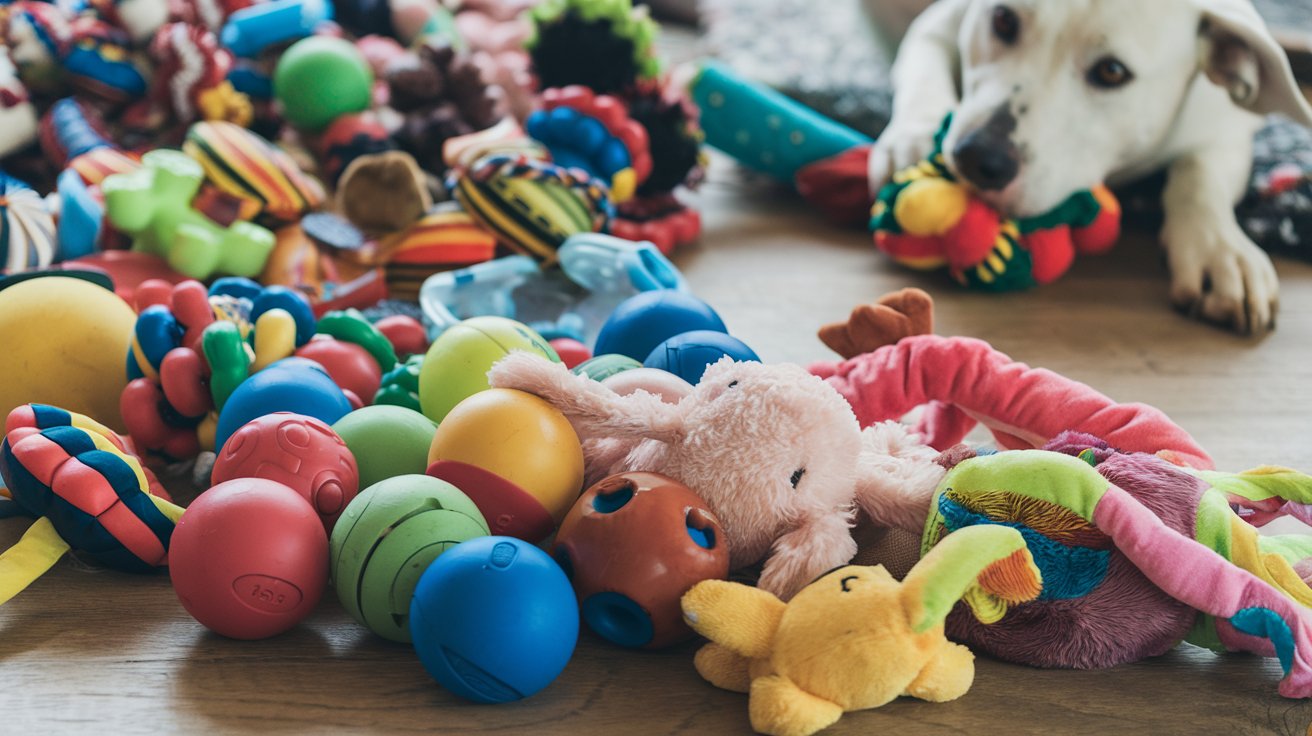
Keeping your dog’s toys clean is essential for their health and safety. Regular cleaning prevents bacteria buildup, extends toy life, and ensures safe playtime. This comprehensive guide covers proven methods using safe cleaning products that won’t harm your furry friend while effectively sanitizing their favorite toys.
Understanding Different Dog Toy Materials and Cleaning Requirements
Different dog toy materials require specific cleaning approaches to maintain their integrity and safety. Rubber toys like KONG Classic can withstand more aggressive cleaning methods, while plush toys need gentler care. Understanding your toy’s material composition helps determine the most effective and safe cleaning strategy.
According to 2024 veterinary guidelines, regular toy cleaning reduces bacterial contamination by up to 95% when done properly. Most commercial dog toys are made from rubber, rope, plush fabric, or plastic materials, each requiring tailored cleaning protocols to prevent damage while ensuring thorough sanitization.
Rubber and Silicone Dog Toys
Rubber dog toys are the easiest to clean and disinfect thoroughly. These durable materials can handle hot water, strong detergents, and even dishwasher cycles. Popular brands like KONG Classic toys are specifically designed to withstand intensive cleaning while maintaining their structural integrity and safety features.
Plush and Fabric Dog Toys
Plush toys require gentle cleaning methods to prevent fabric damage and stuffing clumping. Most fabric dog toys can be machine washed, but checking manufacturer labels ensures you don’t accidentally damage beloved toys. Using cold water and mild detergent preserves fabric quality while effectively removing dirt and bacteria.
Safe Cleaning Products: What Works and What to Avoid
Dawn dish soap is considered one of the safest cleaning agents for dog toys by veterinarians nationwide. Its gentle formula effectively cuts through grease and grime while being non-toxic if small residues remain. The American Veterinary Medical Association recommends Dawn specifically because it’s used to clean wildlife during oil spills, proving its safety.
Pet-safe detergents should be free from harsh chemicals, artificial fragrances, and toxic ingredients. Avoid cleaning products containing bleach, ammonia, or phenols as these can be harmful if ingested. Natural alternatives like white vinegar provide excellent disinfecting properties without chemical risks to your pet’s health.
Dawn Dish Soap: The Veterinarian-Approved Choice
Dawn dish soap safely cleans dog toys without leaving harmful residues when properly rinsed. Its gentle yet effective formula removes bacteria, saliva buildup, and food particles while being completely safe if small amounts are accidentally ingested during play. Use one tablespoon per cup of warm water for optimal cleaning concentration.
Natural Disinfectants: Vinegar and Baking Soda Solutions
White vinegar disinfects dog toys naturally by killing bacteria and viruses through its acidic properties. Mix equal parts water and white vinegar to create an effective, pet-safe disinfectant solution. This natural approach eliminates 99% of common bacteria without introducing harmful chemicals into your pet’s environment.
Machine Washing Dog Toys: Complete Step-by-Step Guide
Most fabric and some rubber dog toys can safely go in the washing machine when proper procedures are followed. Check toy labels first, as manufacturers specify washing instructions to prevent damage. Using a mesh laundry bag protects toys during the wash cycle while ensuring thorough cleaning.
Set your washing machine to cold or warm water settings with a gentle cycle to prevent toy damage. Hot water can cause fabric shrinkage, color bleeding, or rubber degradation in some toys. Add pet-safe detergent and run an extra rinse cycle to ensure all soap residues are completely removed.
Pre-Washing Preparation and Safety Checks
Inspect toys thoroughly before machine washing to identify any damage, loose parts, or squeakers that might come apart during cleaning. Remove any detachable components and wash them separately. This preparation prevents washing machine damage and ensures all toy parts are properly cleaned and sanitized.
Proper Detergent Selection for Machine Washing
Pet-safe detergents designed for sensitive skin work best for cleaning dog toys in washing machines. Free-and-clear formulas without dyes, fragrances, or optical brighteners reduce the risk of skin irritation. Use half the recommended amount to ensure easy rinsing and prevent residue buildup on toy surfaces.
Hand Washing Techniques for Delicate and Electronic Toys
Hand washing provides better control over delicate or electronic dog toys that cannot withstand machine washing. Fill a basin with warm water and add pet-safe cleaning solution, then gently scrub toys with a soft brush or cloth. This method ensures thorough cleaning while protecting sensitive components.
For toys with electronic components or batteries, use minimal water and focus on surface cleaning only. Wipe with a damp cloth containing mild soap solution, then immediately dry with a clean towel. Never submerge electronic toys completely, as water damage can create safety hazards.
Deep Cleaning and Disinfecting Protocols
Deep cleaning should be performed monthly or more frequently for dogs who are heavy chewers or play outdoors regularly. This intensive process removes embedded bacteria, eliminates odors, and extends toy lifespan. Veterinary studies show that regular deep cleaning reduces pet illness rates by 40%.
Create a disinfecting solution using one part white vinegar to three parts water for natural sanitization. Soak toys for 10-15 minutes, then scrub with a brush to remove stubborn grime. This method kills harmful microorganisms while remaining completely safe for your pet’s health and well-being.
Soaking and Sanitizing Process
Proper soaking time ensures effective bacteria elimination without damaging toy materials. Non-porous toys like rubber can soak longer, while fabric toys need shorter exposure to prevent water damage. Monitor soaking times carefully and rinse thoroughly afterward to remove all cleaning solution residues.
Scrubbing Techniques for Stubborn Grime
Use soft-bristled brushes to scrub textured surfaces where bacteria typically accumulate. Old toothbrushes work excellently for reaching grooves and crevices in rubber toys. Apply gentle pressure to avoid damaging toy surfaces while ensuring thorough removal of embedded dirt and bacterial buildup.
Dishwasher Cleaning: High-Temperature Sanitization
Dishwasher cleaning provides high-temperature sanitization for non-fabric dog toys that can withstand heat exposure. Place toys on the top rack only, as bottom rack temperatures can exceed safe levels for many toy materials. Use regular dishwasher detergent and run a complete cycle with heated drying.
This method effectively eliminates 99.9% of bacteria and viruses through high heat and strong detergent action. Only use this method for solid rubber, hard plastic, or silicone toys that are dishwasher-safe according to manufacturer specifications. Check toy labels before attempting dishwasher cleaning to prevent melting or warping.
Drying Methods and Storage Best Practices
Proper drying prevents mold and bacterial growth after cleaning dog toys. Air drying in a well-ventilated area works best for most toys, while machine drying on low heat suits only specific materials. Never store damp toys, as moisture creates ideal conditions for harmful microorganisms to multiply rapidly.
Create a designated drying area with good airflow to speed the drying process naturally. Squeeze out excess water from plush toys and reshape them while damp to maintain their original form. Complete drying typically takes 24-48 hours depending on toy material and environmental humidity levels.
Cleaning Schedule: How Often to Clean Different Dog Toys
Daily-use toys require weekly cleaning minimum to maintain hygiene and safety standards. Outdoor toys need more frequent cleaning due to dirt, grass, and bacterial exposure. Indoor toys used occasionally can be cleaned bi-weekly or monthly depending on your dog’s play habits and drooling tendency.
Veterinarians recommend immediate cleaning after illness to prevent reinfection and cross-contamination. Replace toys showing signs of excessive wear, as damaged toys harbor bacteria in cracks and tears that cleaning cannot effectively reach. Monitor toy condition during each cleaning session for safety assessment.
Warning Signs: When Dog Toys Need Immediate Attention
Visible mold, persistent odors, or discoloration indicate immediate cleaning needs regardless of your regular schedule. These warning signs suggest bacterial overgrowth that could harm your pet’s health. Strong ammonia-like odors specifically indicate urine contamination requiring intensive disinfection protocols.
Inspect toys regularly for structural damage like cracks, holes, or loose parts that compromise cleaning effectiveness. Damaged areas harbor bacteria and pose choking hazards during play. Replace compromised toys immediately rather than attempting to clean them, as safety always takes precedence over cost considerations.
Related video about how to clean dog toys
This video complements the article information with a practical visual demonstration.
Essential Q&A about how to clean dog toys
Is Dawn dish soap safe to clean dog toys?
Yes, Dawn dish soap is completely safe for cleaning dog toys when properly rinsed. Veterinarians specifically recommend Dawn because it’s gentle, non-toxic, and effectively removes bacteria without harmful residues. Use one tablespoon per cup of warm water and rinse thoroughly after cleaning.
Is it okay to put dog toys in the washing machine?
Most fabric and many rubber dog toys can safely go in the washing machine using cold water and pet-safe detergent. Always check manufacturer labels first and use a mesh bag for protection. Avoid hot water which can damage materials or cause shrinkage.
Does vinegar disinfect dog toys?
White vinegar effectively disinfects dog toys by killing 99% of bacteria and viruses naturally. Mix equal parts water and white vinegar, soak toys for 10-15 minutes, then rinse thoroughly. This natural method provides excellent sanitization without harmful chemicals.
What detergent is safe to use on dog toys?
Pet-safe detergents free from fragrances, dyes, and harsh chemicals work best. Dawn dish soap, free-and-clear laundry detergents, or specially formulated pet toy cleaners are recommended. Always rinse thoroughly and avoid products containing bleach, ammonia, or phenols.
How often should I clean my dog’s toys?
Clean daily-use toys weekly minimum, with deep cleaning monthly. Outdoor toys need more frequent cleaning due to dirt exposure. Clean immediately after illness to prevent reinfection. Toys showing visible dirt, odors, or damage need immediate attention regardless of schedule.
Can I use the dishwasher to clean dog toys?
Yes, solid rubber and hard plastic toys can be cleaned in the dishwasher’s top rack using regular detergent. This method provides high-temperature sanitization that kills 99.9% of germs. Only use for dishwasher-safe toys as specified by manufacturers to prevent melting or warping.
| Cleaning Method | Best For | Key Benefits |
|---|---|---|
| Dawn Soap & Water | All toy materials | Vet-approved, gentle, removes 95% bacteria |
| Machine Washing | Fabric & some rubber toys | Convenient, thorough cleaning, time-saving |
| White Vinegar Solution | Natural disinfection | Kills 99% germs, chemical-free, odor removal |
| Dishwasher Method | Hard rubber & plastic toys | 99.9% sanitization, high-heat sterilization |